The body of reviews for this facility is highly polarized, with families and residents describing both clear strengths and substantive operational weaknesses. Positive accounts emphasize a caring, family-like culture among many caregivers, strong short-term rehabilitation and therapy, responsive hospice support, engaging social programming, and several instances of managers or frontline staff going beyond their duties to assist residents and families. These reports indicate that when staffing and supervision align, residents can receive attentive nursing, grooming assistance, organized dining, and meaningful opportunities for social engagement.
Conversely, a consistent pattern of operational concerns emerges across multiple reviews. Staffing levels and scheduling appear inconsistent, producing variability in responsiveness—especially overnight—and contributing to delays in attending to residents and in coordinating transfers or emergency transport. Several reviewers noted gaps in medication monitoring and in the facility's clinical-incident response processes. Privacy and confidentiality weaknesses were also raised, along with concerns about the use of restraints and consent processes. There are repeated mentions of cleanliness and sanitation shortcomings in resident rooms and laundry, odor concerns, and pest-control issues in parts of the building.
Communication and management practices are another area of divergence. Positive reviews call out helpful reception staff, certain administrators who are responsive and compassionate, and timely resolution of specific issues. Negative reviews describe poor family communication, difficulty reaching staff by phone, abrupt room moves, missing personal items, and distressing billing or collections interactions. High staff turnover and variability in staff competency contribute to an uneven experience: some families describe excellent, consistent care while others report episodes that they viewed as unsafe or poorly managed.
Dining and activities receive similarly mixed feedback. Several residents and visitors praised good food quality, generous portions, clean dining areas, and deliberate efforts to reduce isolation through communal meals and window/video visits. At the same time, other comments pointed to inconsistent meal quality, restrictive dining policies in some circumstances, and occasional lapses in meal-service continuity.
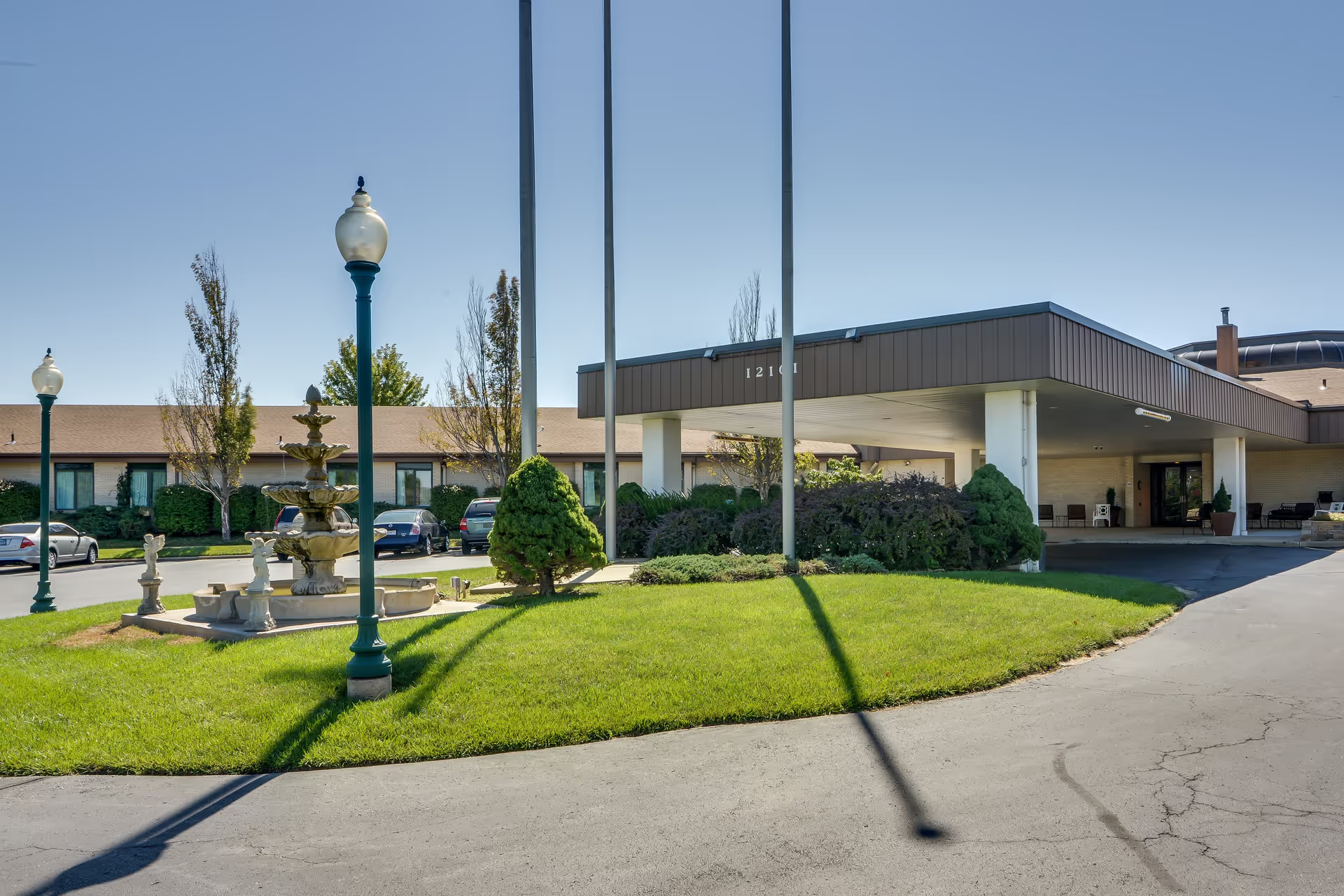
Facility condition and infection control are recurring concerns. Reviewers referenced maintenance needs (painting, furnishings, landscaping), sanitation shortcomings in some resident areas, and pest-control concerns. A few reviewers referenced regulatory attention and serious allegations related to privacy and workplace-safety standards; such assertions warrant further verification through official sources. Infection-control practices were described as inconsistent by some families, which is an important consideration for medically vulnerable residents.
For prospective residents and families: this facility appears capable of providing strong, compassionate care in many instances, particularly for short-term rehabilitation and when supported by engaged staff and managers. However, variability across shifts and units means outcomes can differ significantly. Recommended due diligence includes a facility tour focused on cleanliness and pest-control, direct questions about staffing ratios and night coverage, review of medication-management and restraint policies, inquiry into recent regulatory actions or complaints, and clarification of visitation, communication, and billing procedures before making placement decisions.