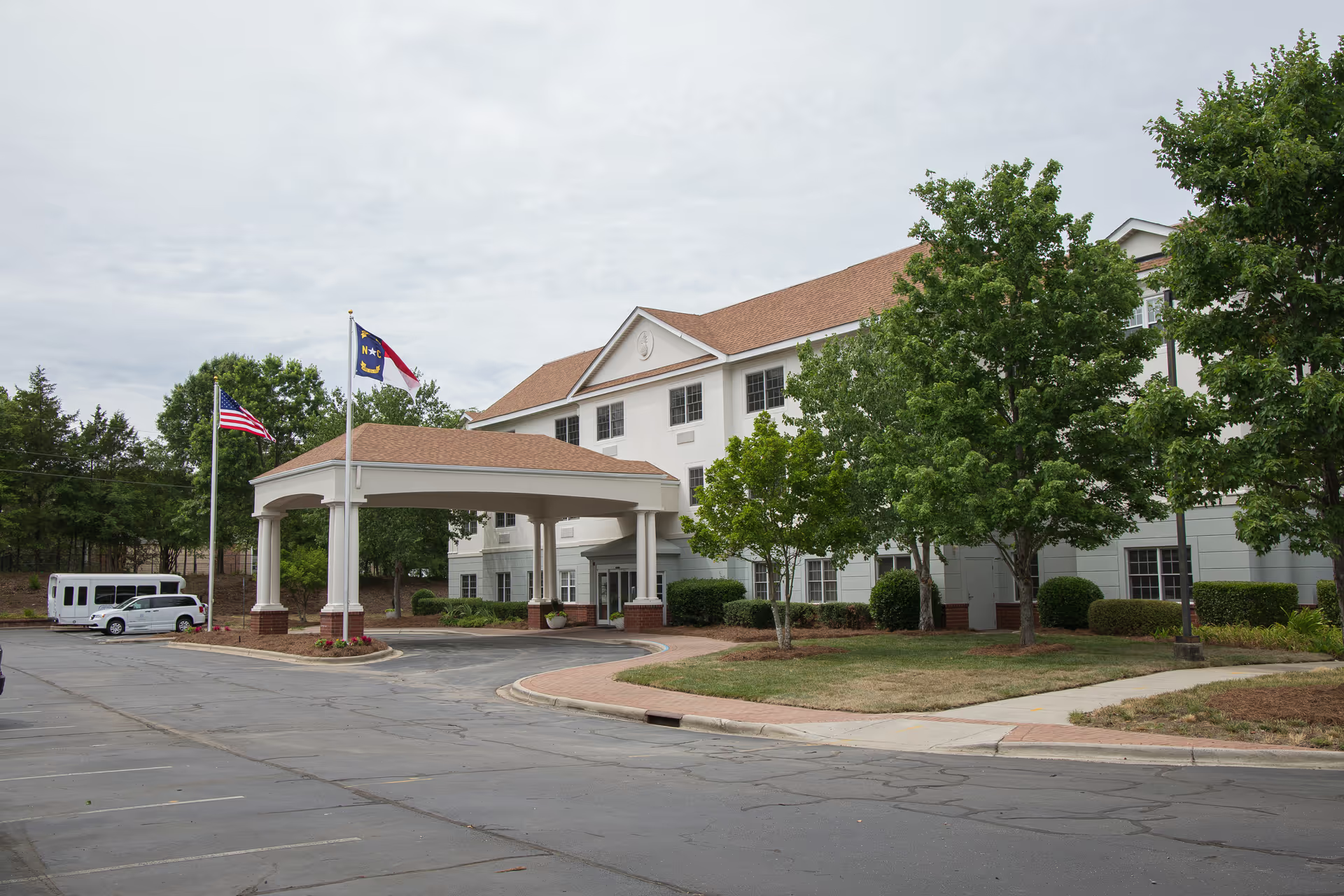
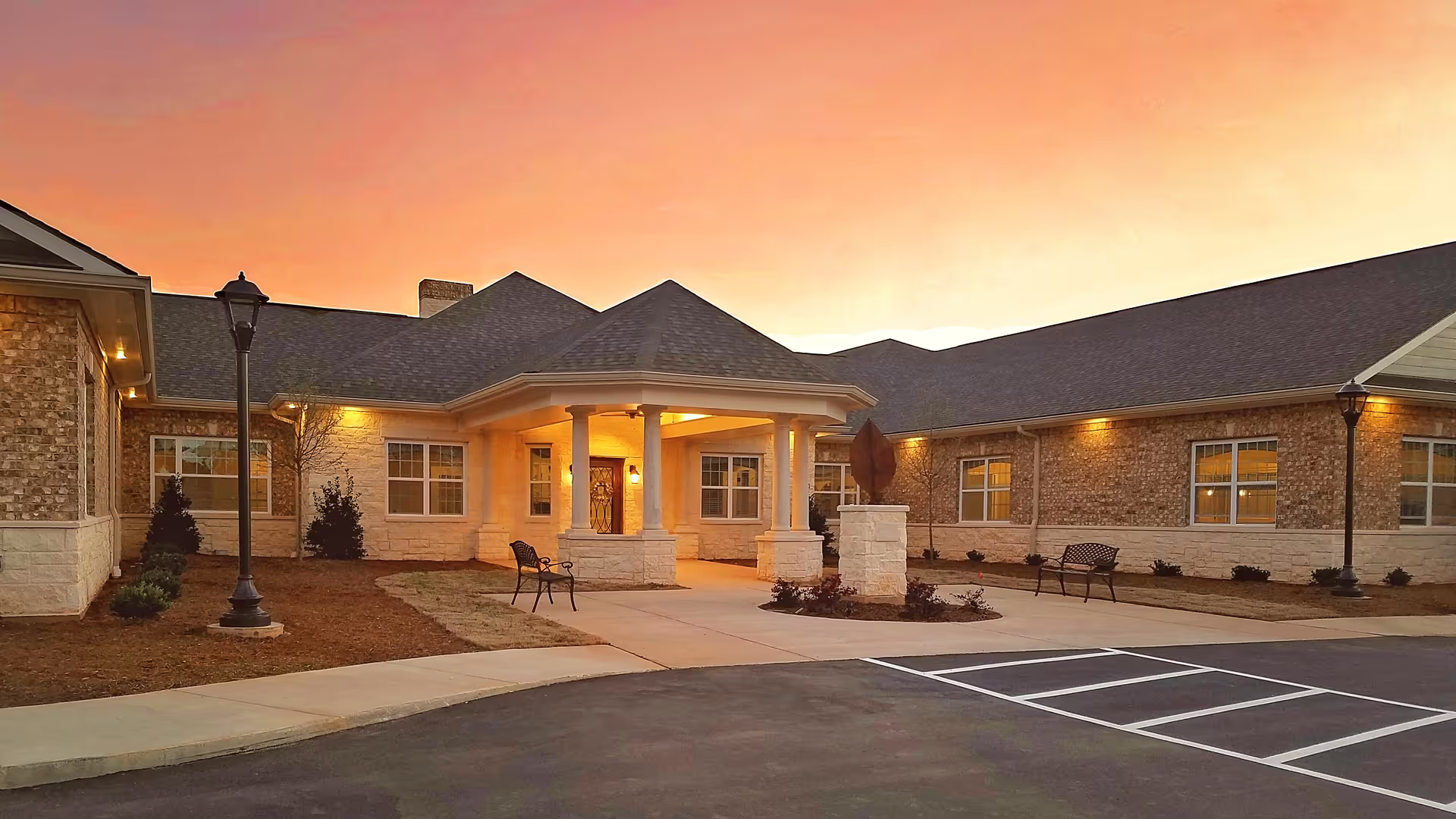
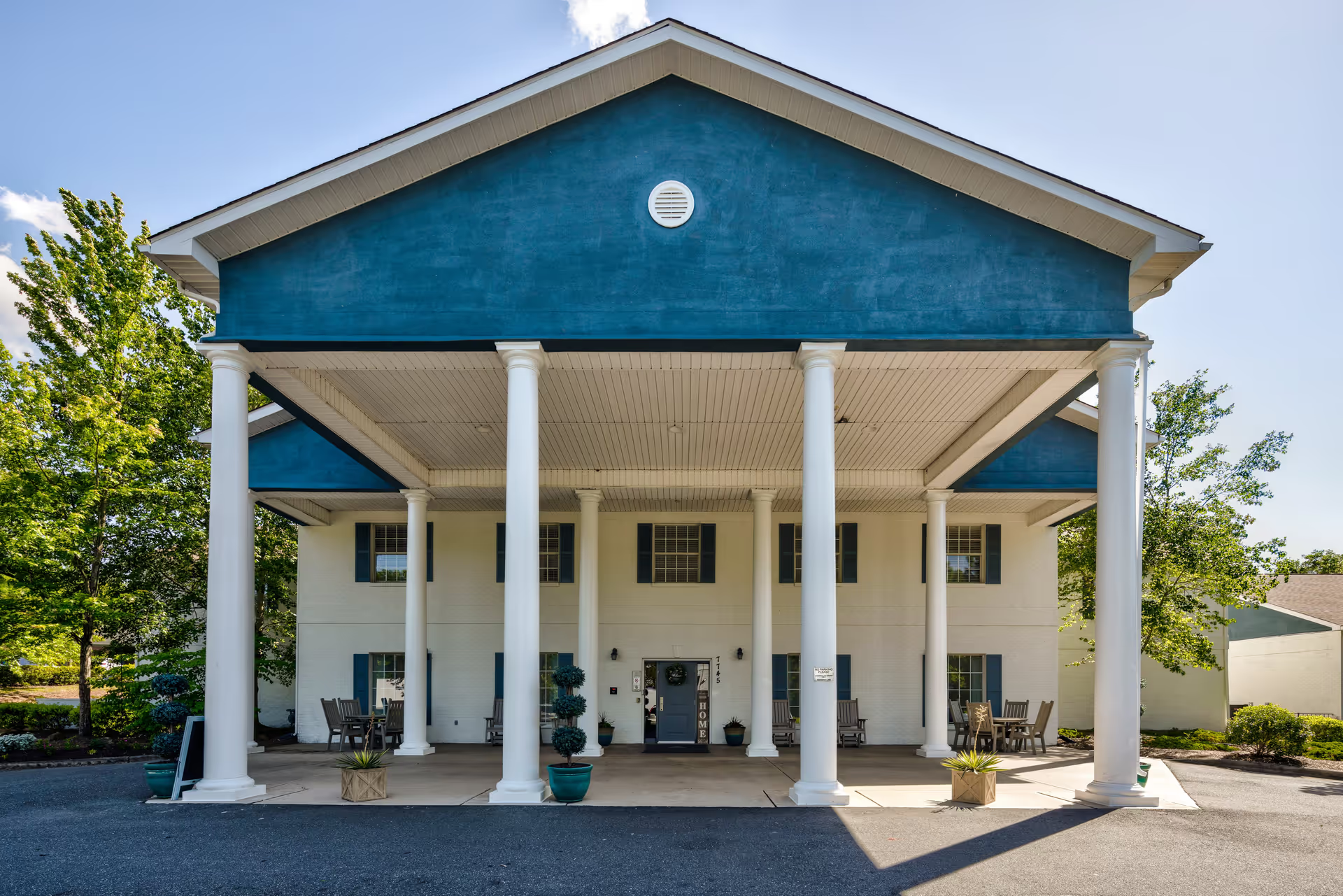
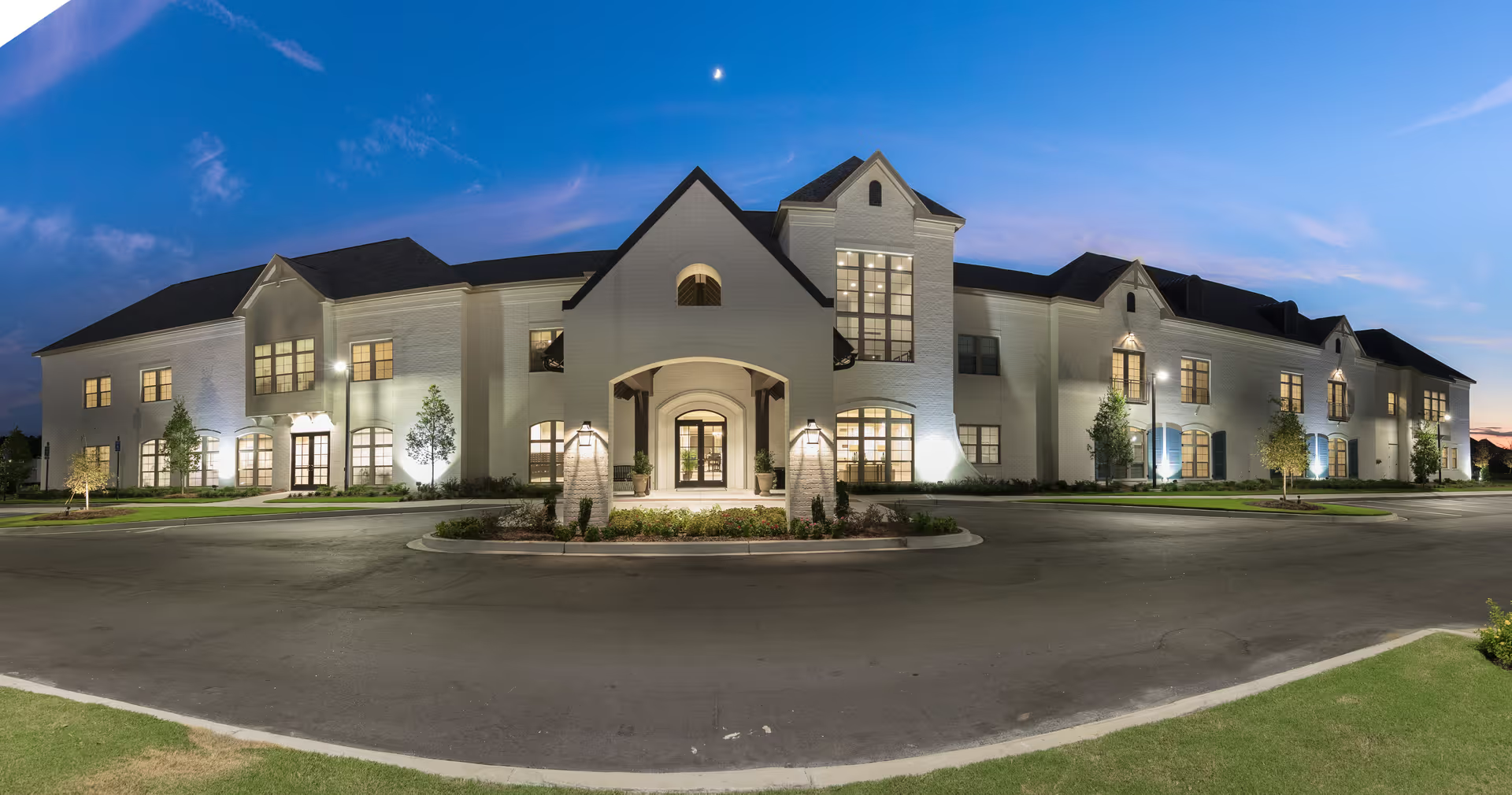
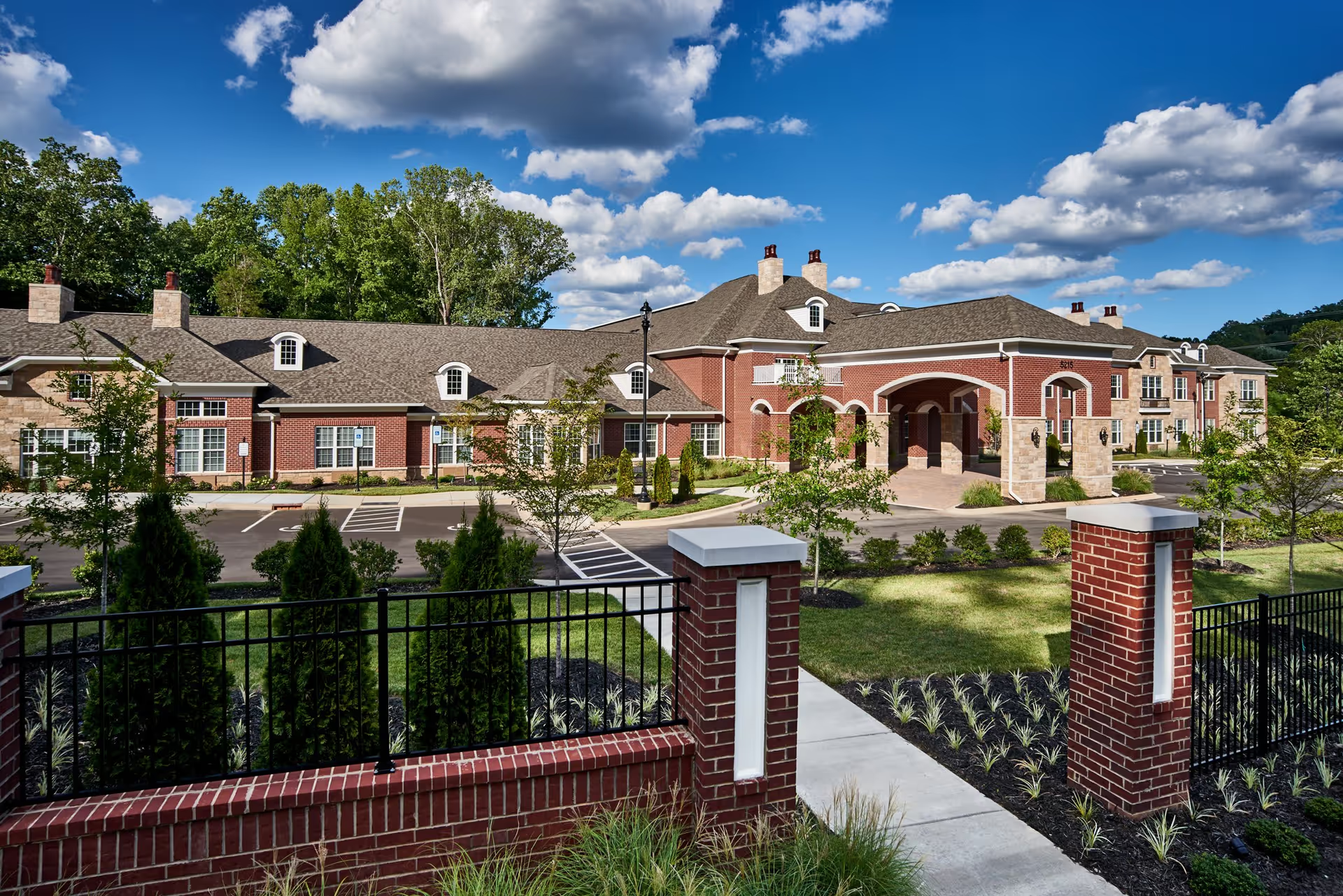
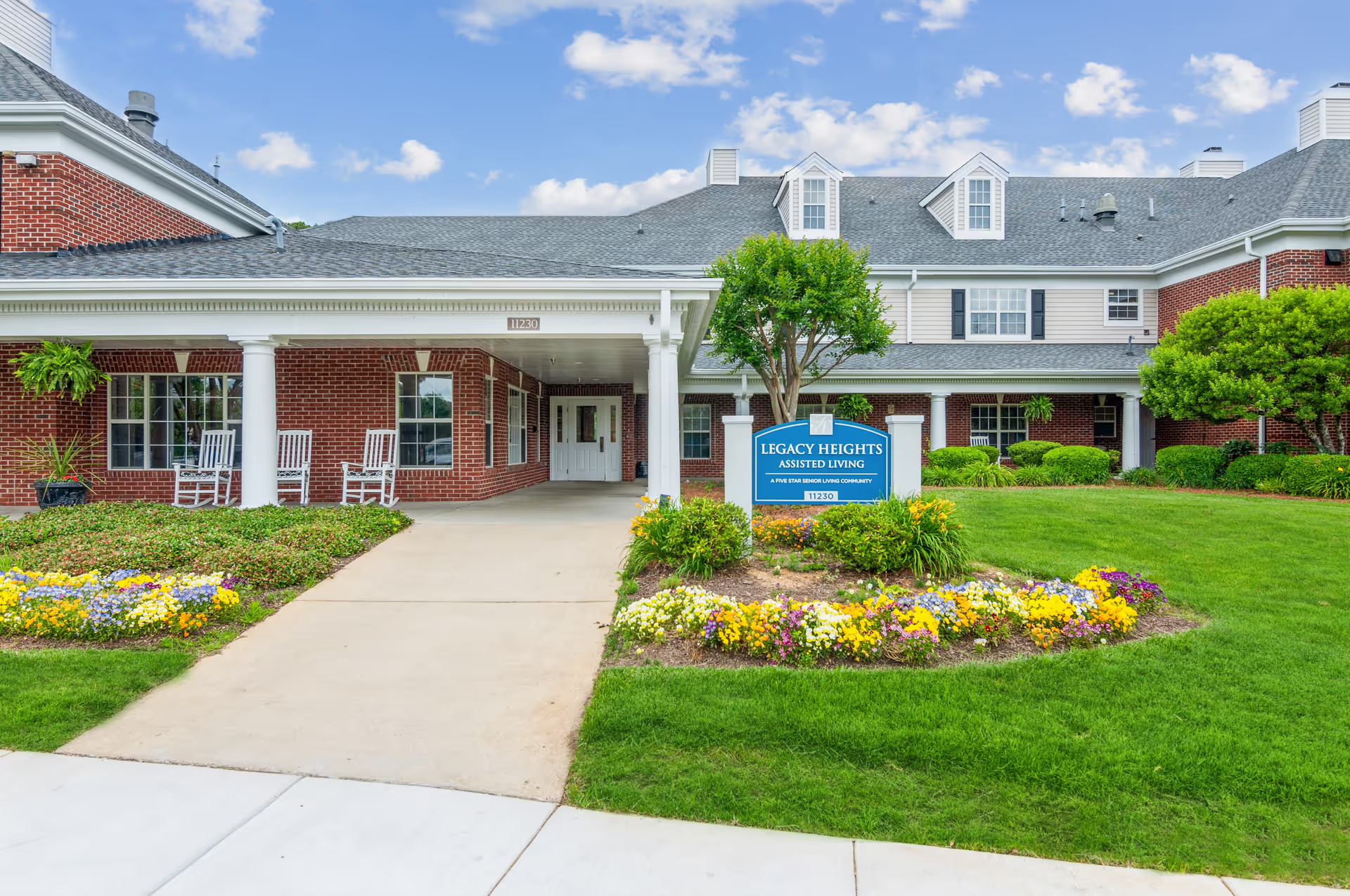
The reviews present a highly mixed picture of care at Mecklenburg Health & Rehabilitation, with clear strengths in rehabilitation services and many reports of compassionate direct-care staff, alongside recurring operational and communication concerns. Several families described meaningful therapy-driven recoveries — measurable gains in mobility, improved hand strength, and successful short-term rehab stays — and consistently praised therapists, CNAs, and some nursing staff for their attentiveness. The facility’s physical attributes are frequently noted as positive: a bright, well-lit building with two interior courtyards and outdoor patios, a small rehab gym, and private hospital-style rooms for those who select them. Dining and dietary accommodation receive regular positive comments for variety and responsiveness to preferences or restrictions.
At the same time, a pattern of inconsistent service-level performance emerges. Multiple reviewers described delays responding to call buttons and requests for assistance, sporadic medication timing and coordination issues at discharge, and problems obtaining necessary discharge paperwork or home-health referrals. These operational gaps have practical consequences for continuity of care: delayed appointments, missed medications at discharge, and difficulties coordinating outside providers were specifically cited. A few reviewers raised serious concerns about clinical-event response and family communication following critical incidents; these underscore the need for robust incident-response protocols and transparent family updates.
Staffing and culture appear uneven. While many reviewers singled out individual nurses, CNAs, therapists, and administrators for praise — including named leaders and staff who facilitate good outcomes — others reported long waits for assistance, perceived rudeness or unprofessional conduct, and staff gossip affecting morale. Weekend staffing shortages and reduced weekend activities were mentioned as diminishing the resident experience on off-peak days. Administrative interactions are likewise mixed: some families praised responsive admissions and an open-door administrator, whereas others described opaque billing practices, requests for upfront payments, delays in Medicaid approvals, and difficulty resolving grievances.
Facility and amenities show both strengths and limitations. Positive notes on cleanliness, daily housekeeping, pleasant outdoor spaces, and a welcoming rehab atmosphere contrast with recurring sanitation and odor concerns in certain areas and reports of rooms that lack in-bathroom showers. Semi-private rooms and small bathroom footprints were identified as space and privacy constraints. Recreational programming and social opportunities are described as engaging when staffed, but activity availability may be limited on weekends.
Overall, reviewers’ experiences are polarized: there are numerous accounts of excellent rehabilitation outcomes, caring staff, and a pleasant environment, alongside persistent operational weaknesses that affect safety, comfort, and care transitions. Prospective residents and families considering this facility should weigh the strong therapy capabilities and many positive staff interactions against documented concerns about responsiveness, discharge and medication coordination, weekend staffing, and certain sanitation/space issues. When touring or evaluating placement, ask specific questions about staffing levels by shift and on weekends, medication and discharge protocols, mental-health support availability, grievance and billing policies, and in-room bathing options to better assess fit for individual needs.