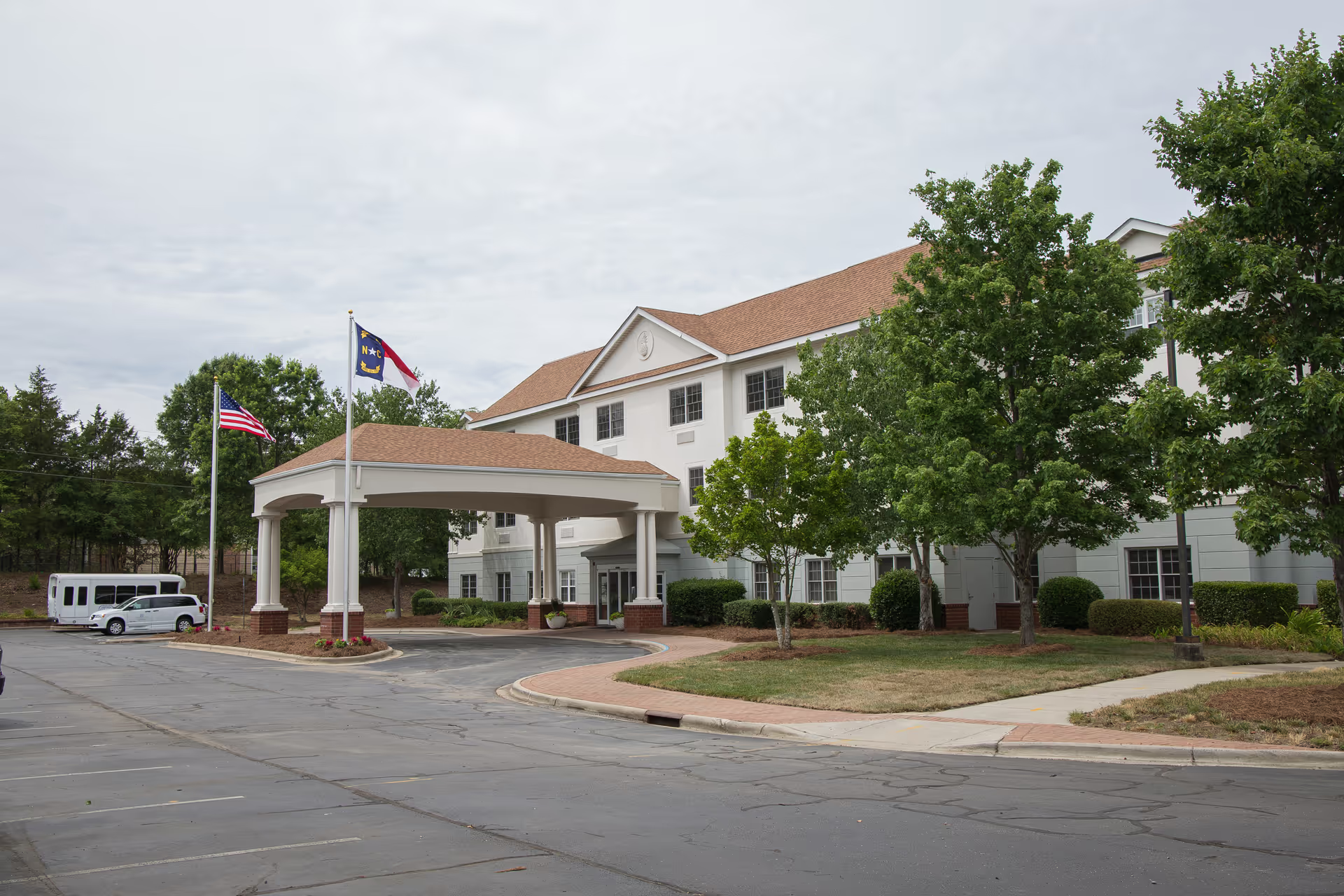
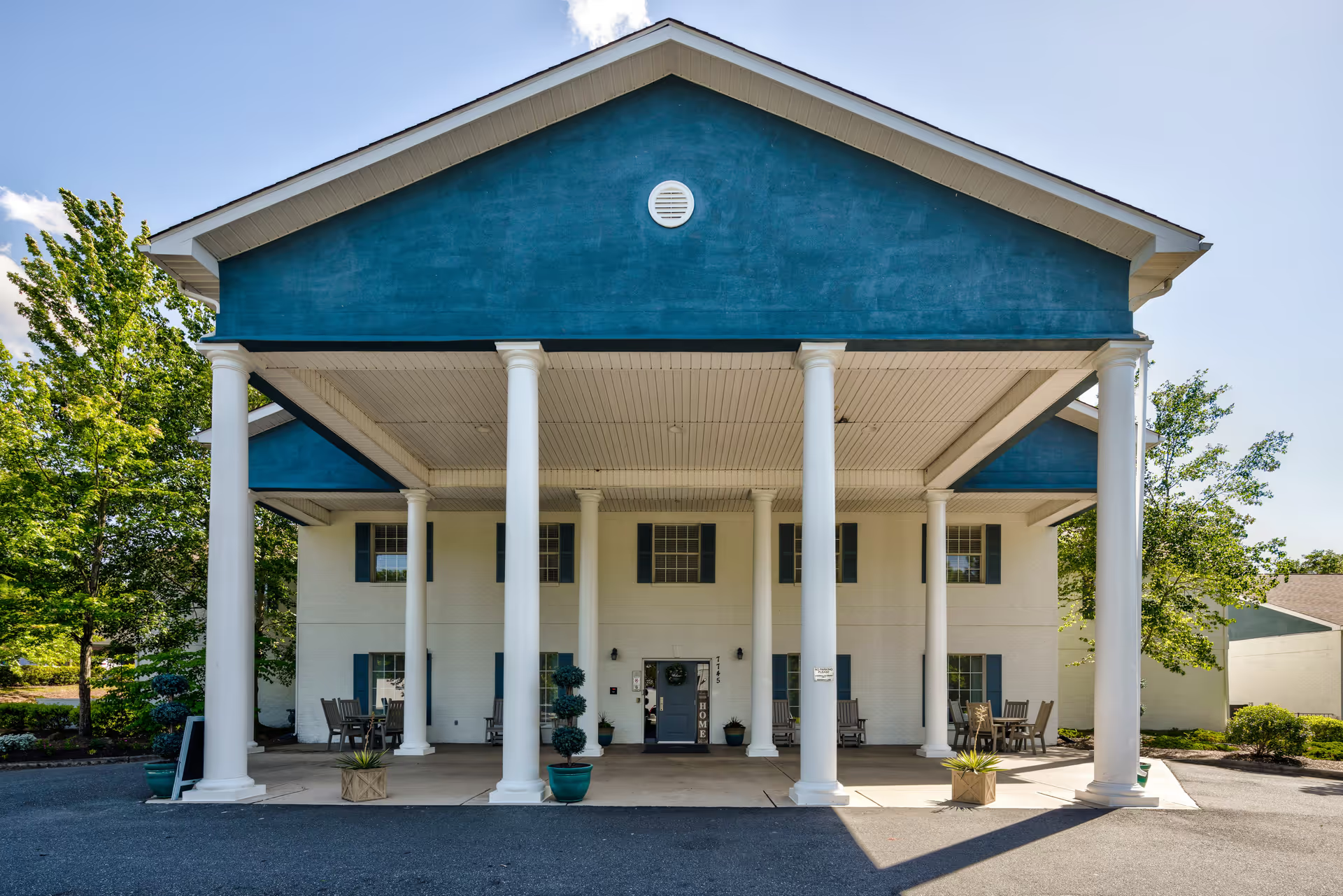
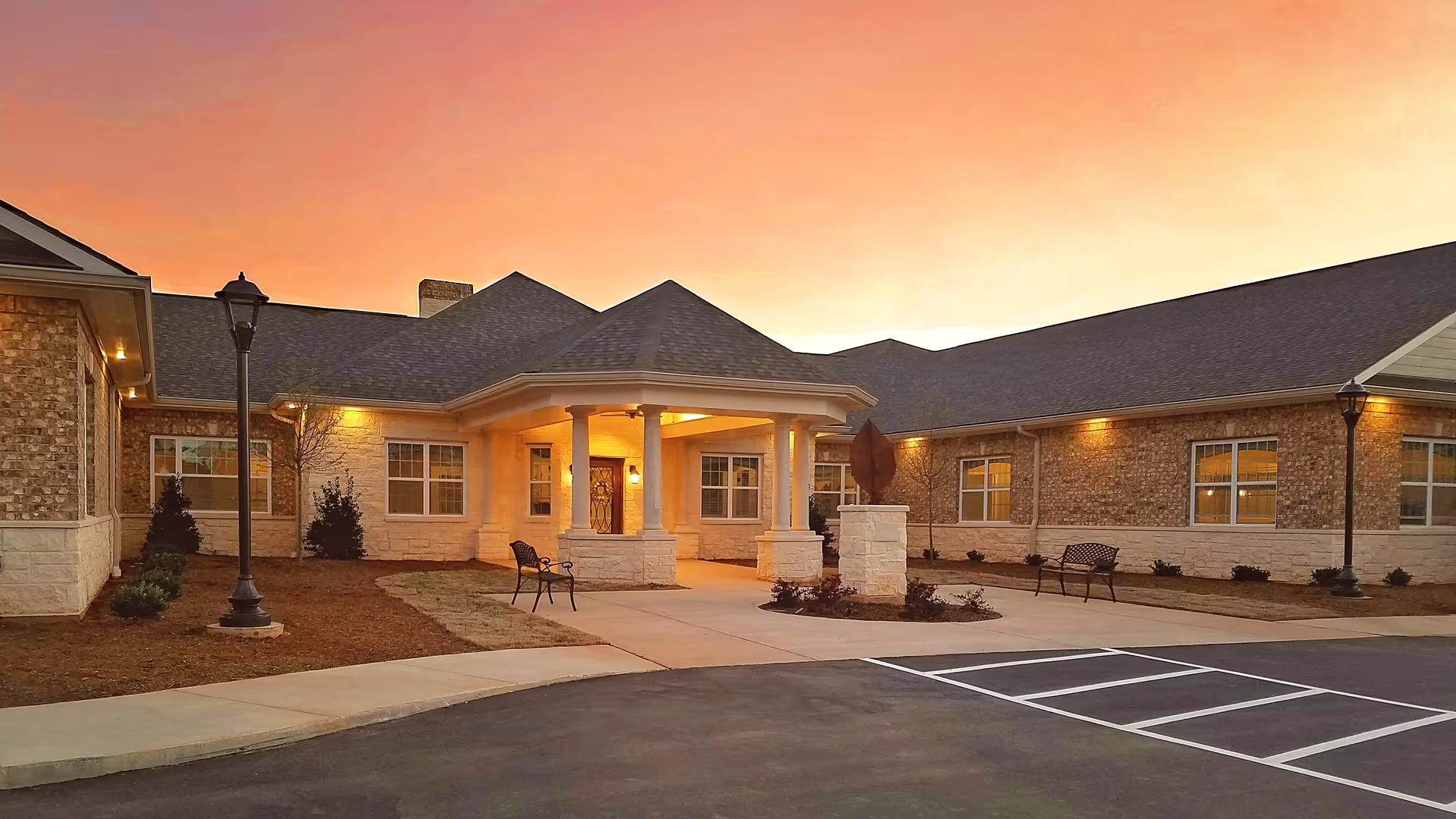
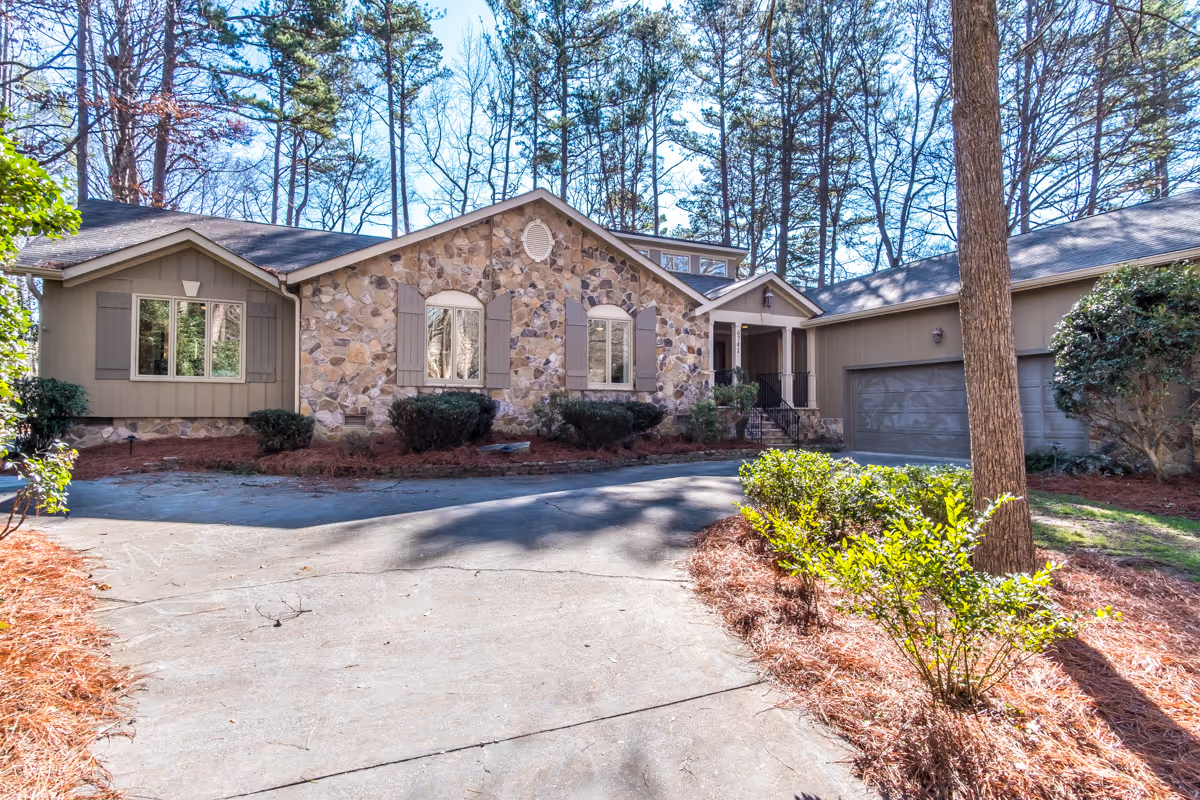
Reviews of Senior Retreat at Park Crossing present a mixed but informative picture. Many families praise the direct caregiving staff: reviewers highlight friendly, licensed, and professional caregivers who provide assistance with medication, health needs, and grooming. The facility's small, family-home model (maximum six residents) and favorable staff-to-resident ratio are repeatedly identified as strengths that create an intimate, home-like atmosphere. The interior is described as clean and well-maintained, and several reviewers noted spacious private bedrooms with en-suite bathrooms and walk-in closets.
Dining and programming receive generally positive comments when those services are delivered as intended. Meals are commonly described as home-cooked and nutritious, and communal dining is appreciated. The community has an activities director, offers puzzles, crafts, chair exercises and arts programming, and maintains a partnership with a local university gerontology program that brings student interaction. These elements support engagement and family involvement through scheduled activities and periodic family meetings.
However, a recurring pattern across reviews involves operational and management concerns that affect the resident experience. High caregiver turnover and what reviewers characterize as under-resourcing are associated with inconsistent day-to-day care and gaps in activity delivery. Several accounts describe periods with limited or no activities and reduced socialization when occupancy is low. Reviewers also raise issues with management communication and tone, including perceptions of a strong focus on revenue, frequent rate increases, and limited transparency around billing and care decisions. Some families described a discrepancy between marketing or admissions promises and the actual services delivered.
The overall pattern suggests that the facility's model can work well when staffing is stable and management practices are aligned with the small-home approach: attentive staff, clean accommodations, nutritious meals, and meaningful activities are possible and appreciated. At the same time, prospective residents and families should be aware of the organizational risks noted in reviews. Practical questions to pursue during a tour or admissions discussion include current and historical staff turnover, formal policies on rate increases, a sample activity calendar, staffing levels across shifts, how care-plan changes are communicated to families, and references from current families. Those factors will help determine whether the small-home advantages are being sustained consistently at the time of placement.