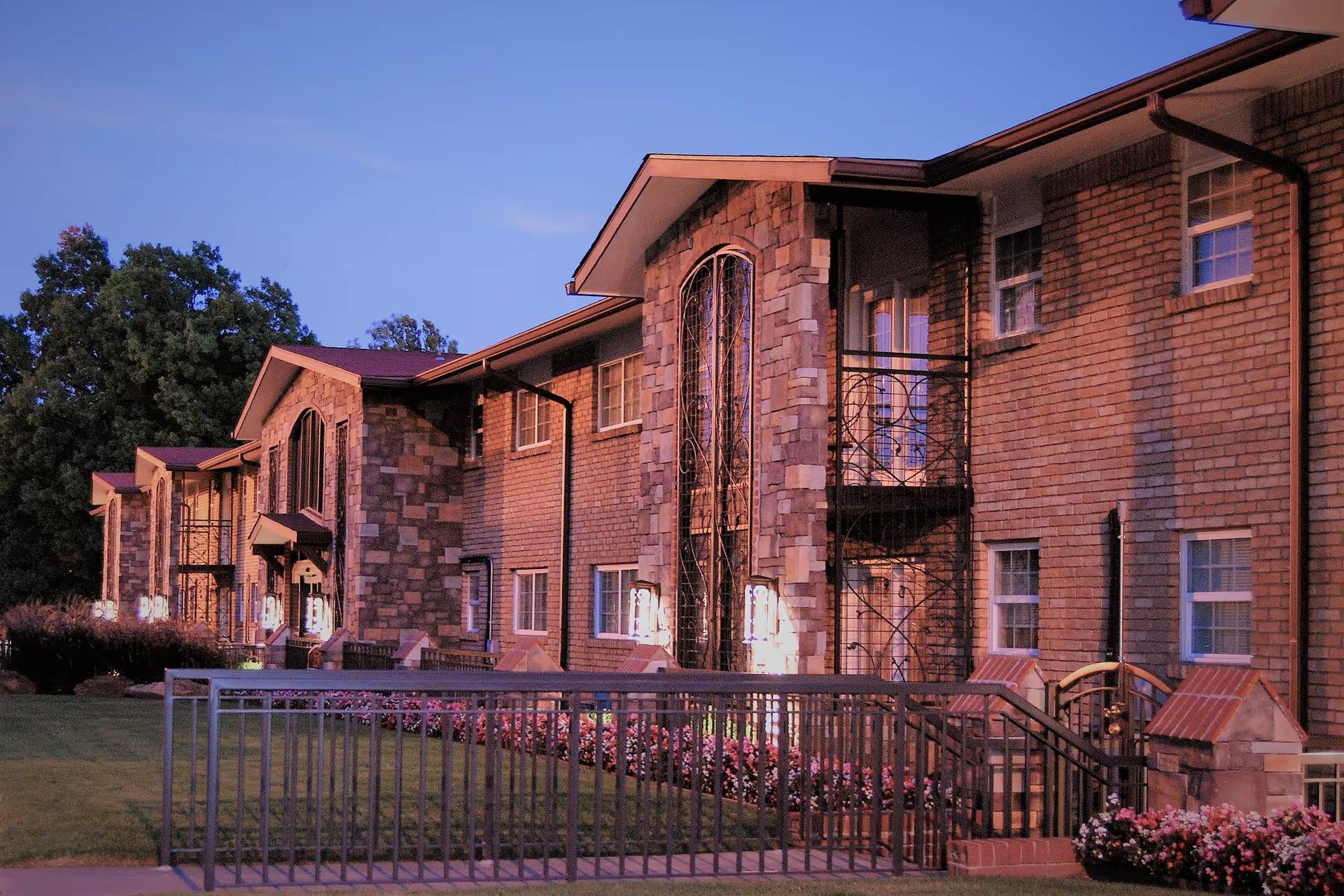
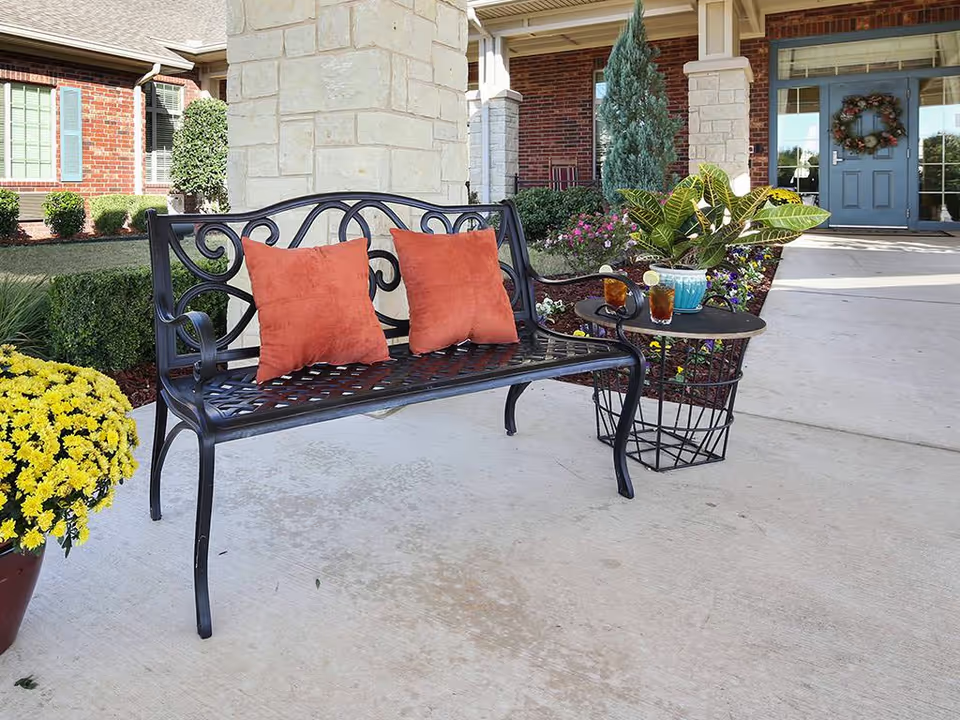
Reviews of Claremore Skilled Nursing & Therapy present a highly mixed picture, with distinct positive experiences alongside a set of recurring operational concerns. On the positive side, many families describe compassionate, family-oriented caregiving, attentive nursing communication, and staff who created a supportive atmosphere during end-of-life and ongoing care. The facility’s activity programming is frequently cited as a strength — with regular group events, outings, themed celebrations, music, and crafts that promote social engagement. Dining is also a noted positive for some residents: a varied menu with daily specials and private-room meal options earned praise in a number of accounts.
At the same time, there are consistent operational themes that warrant attention. Medication management and clinical monitoring emerge as important concerns: reviewers described medication timing issues, questions about administration with meals, delays in lab work and result communication, and clinical events that led to hospital transfers. These accounts suggest gaps in medication-administration controls and in near-term clinical follow-up that could affect resident safety.
Staffing and responsiveness are another divided area. Several reviewers praised individual caregivers and described hardworking, compassionate aides and nurses. However, staffing shortages and shift-to-shift variability were also described, producing delayed assistance with activities of daily living, long waits for showers and meal help, and inconsistent supervision. Related to this are repeated concerns about staff conduct and communication tone; some families experienced clear, informative updates, while others described unapproachable or rude interactions and difficulties obtaining timely answers or returned personal items.
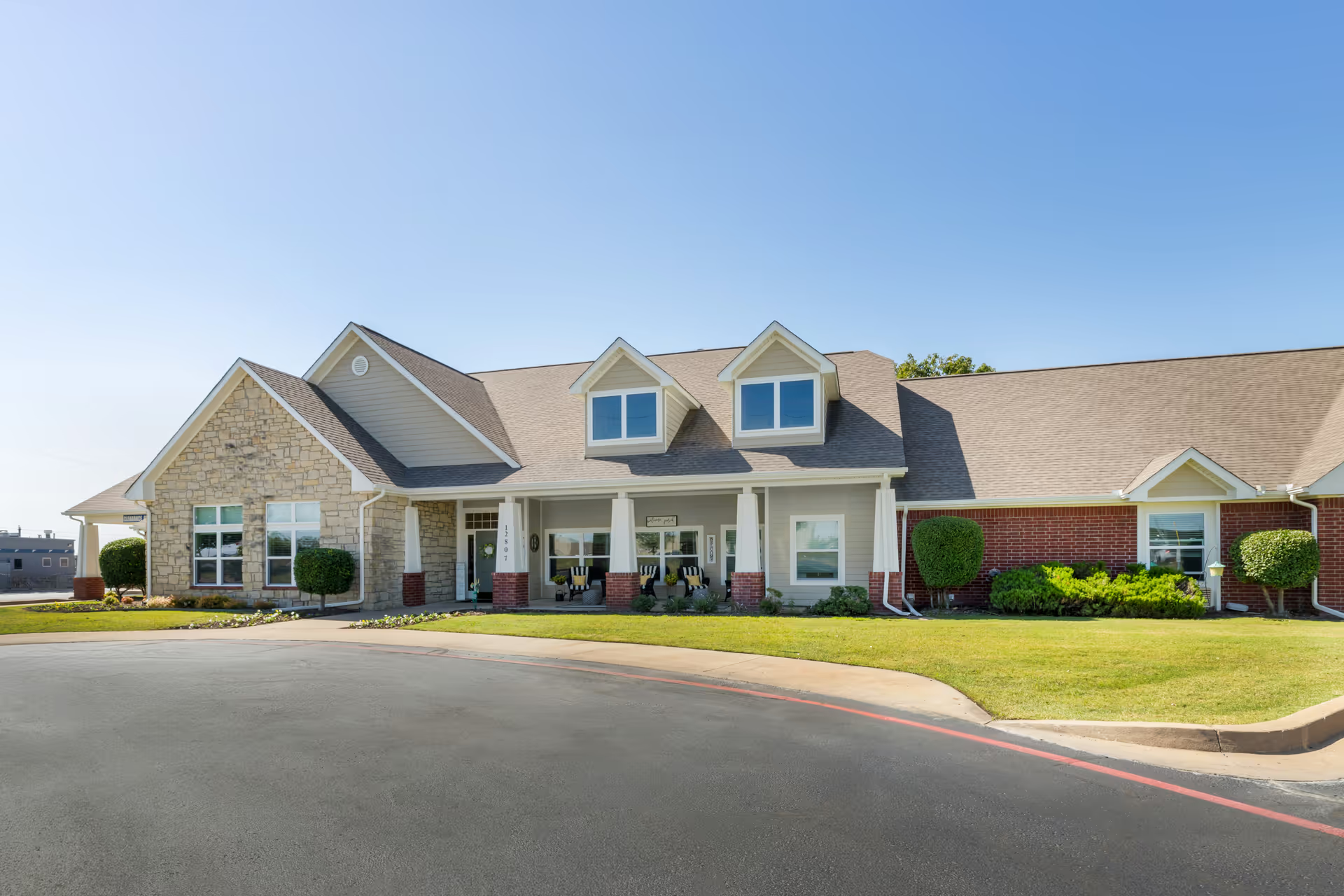
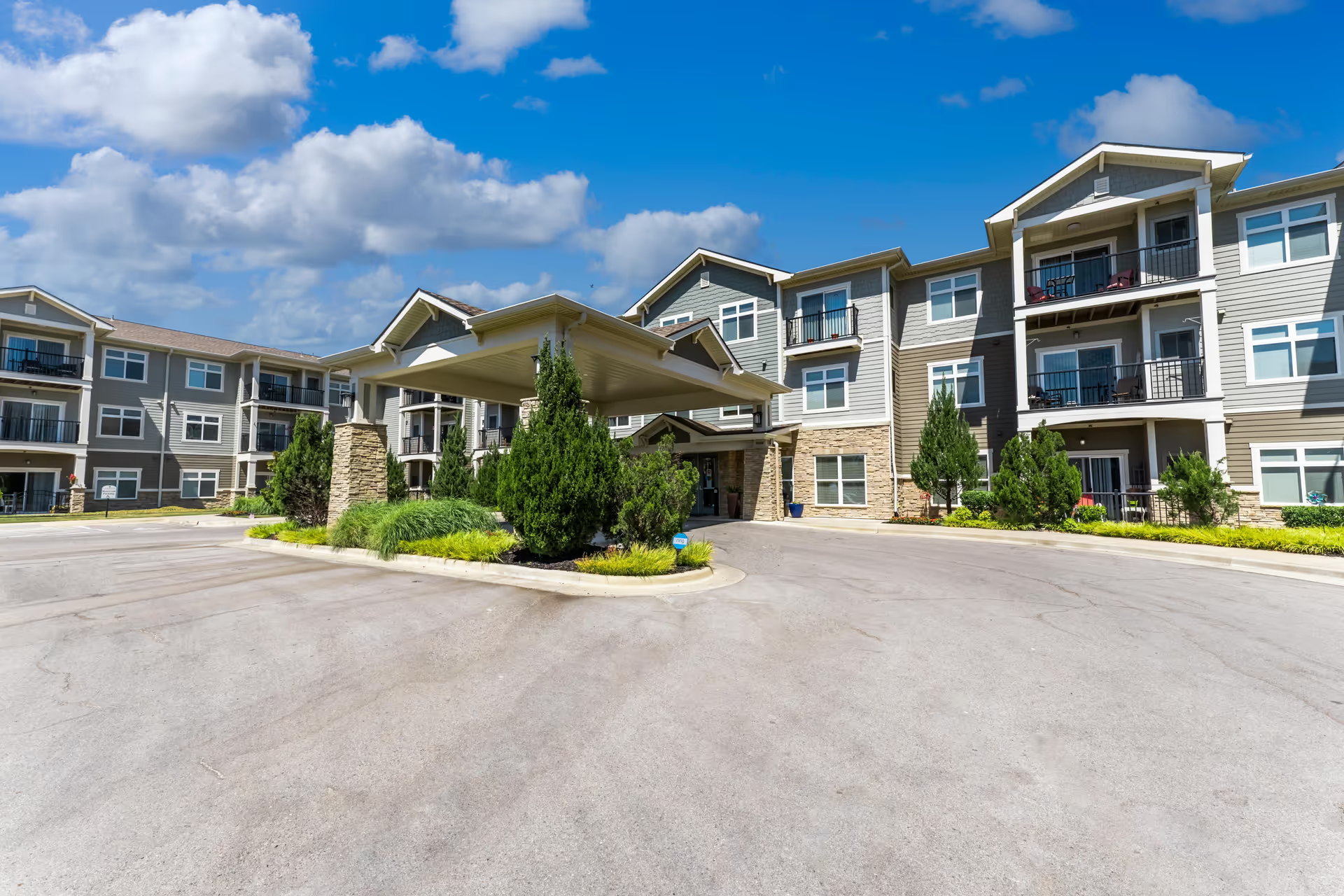
Facility condition and environmental maintenance are reported inconsistently. Some visitors found the environment clean, odor-free, and well-groomed, while others noted maintenance lapses such as leaks, mold concerns, strong odors in particular areas, and dated furnishings. Room size and layout are described as small and older in design by multiple reviewers, which may affect comfort and privacy for some residents.
Dining service quality is similarly variable: positive comments about menu variety and special meals coexist with accounts of delayed tray delivery, unattended meal assistance, and inconsistent dining-room cleanliness. Activity programming is one of the more consistently positive elements, with organized social opportunities that many families found meaningful.
Management and administrative practices present a mixed record. Some families praised capable leadership and helpful coordination, while others reported accountability issues, restricted visitation experiences, and serious allegations of misconduct. These latter items include claims that may merit formal review; they point to a need for clearer grievance pathways, documented property-handling procedures, and transparent visitation policies.
Overall, the facility shows strengths in social programming, some elements of clinical caregiving, and instances of very compassionate staff interactions. However, prospective residents and families should weigh these positives against repeated operational themes: inconsistent medication and clinical follow-up, staffing variability that affects responsiveness, sanitation and maintenance inconsistencies, and uneven management accountability. When considering placement, families may want to ask for current staffing ratios, medication-safety protocols, recent inspection or corrective-action records, and examples of how the facility addresses maintenance and sanitation concerns to better understand how these issues are being managed in real time.