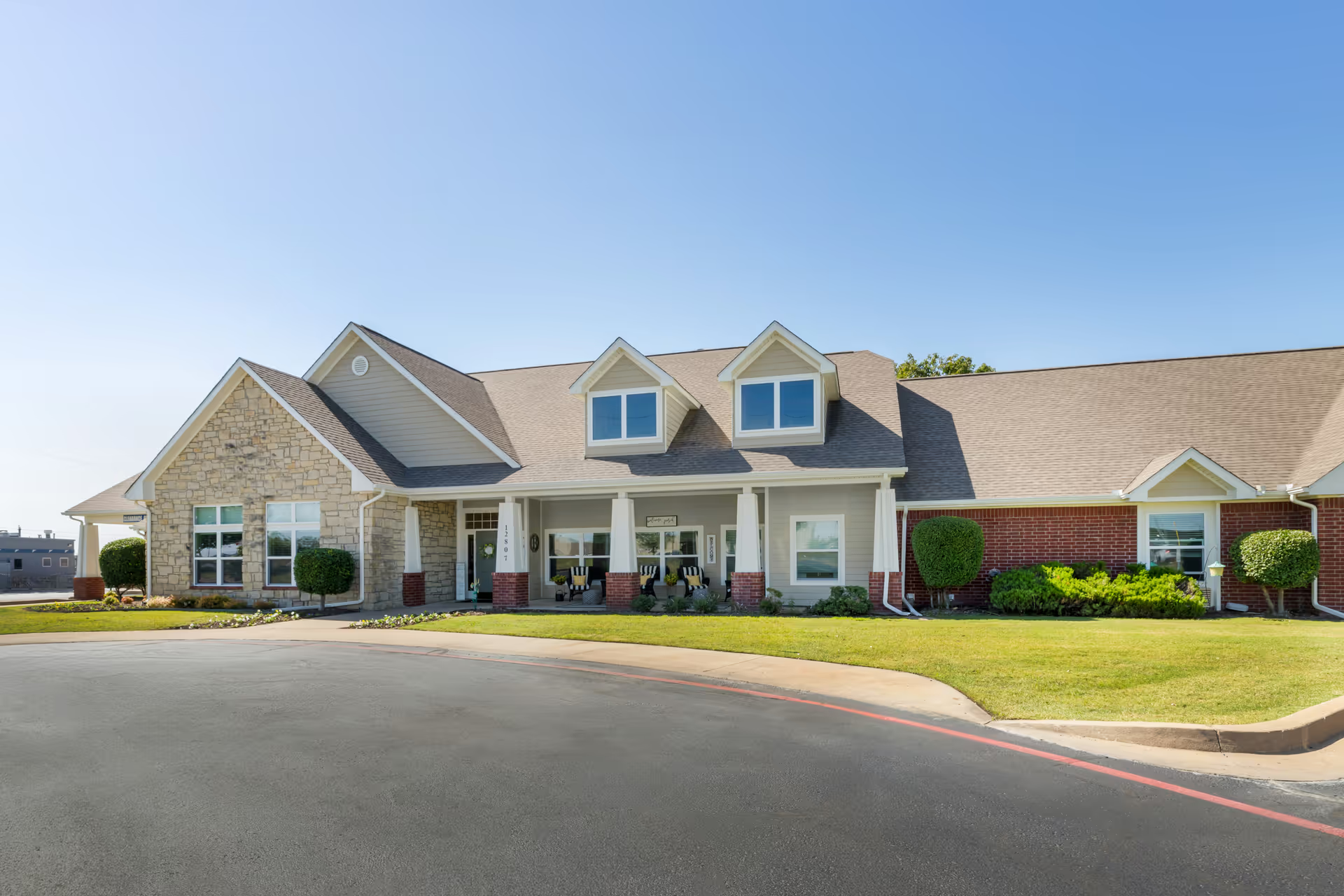
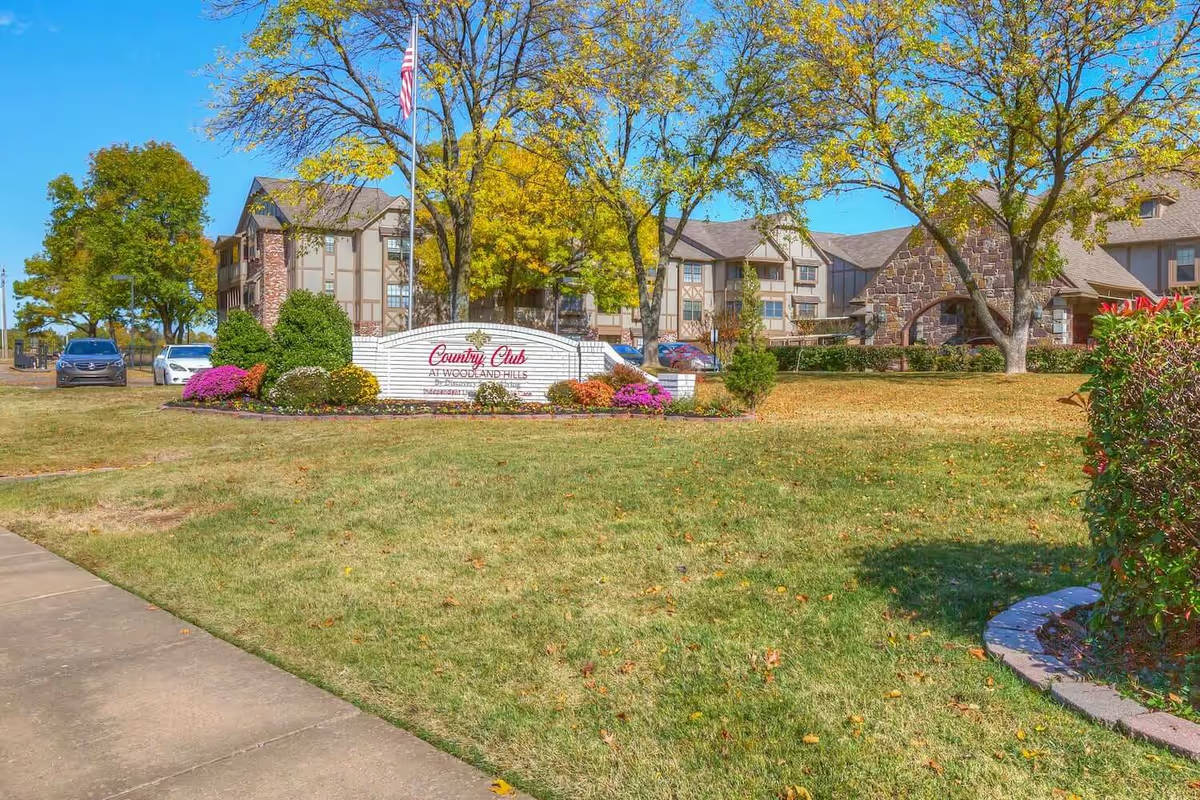
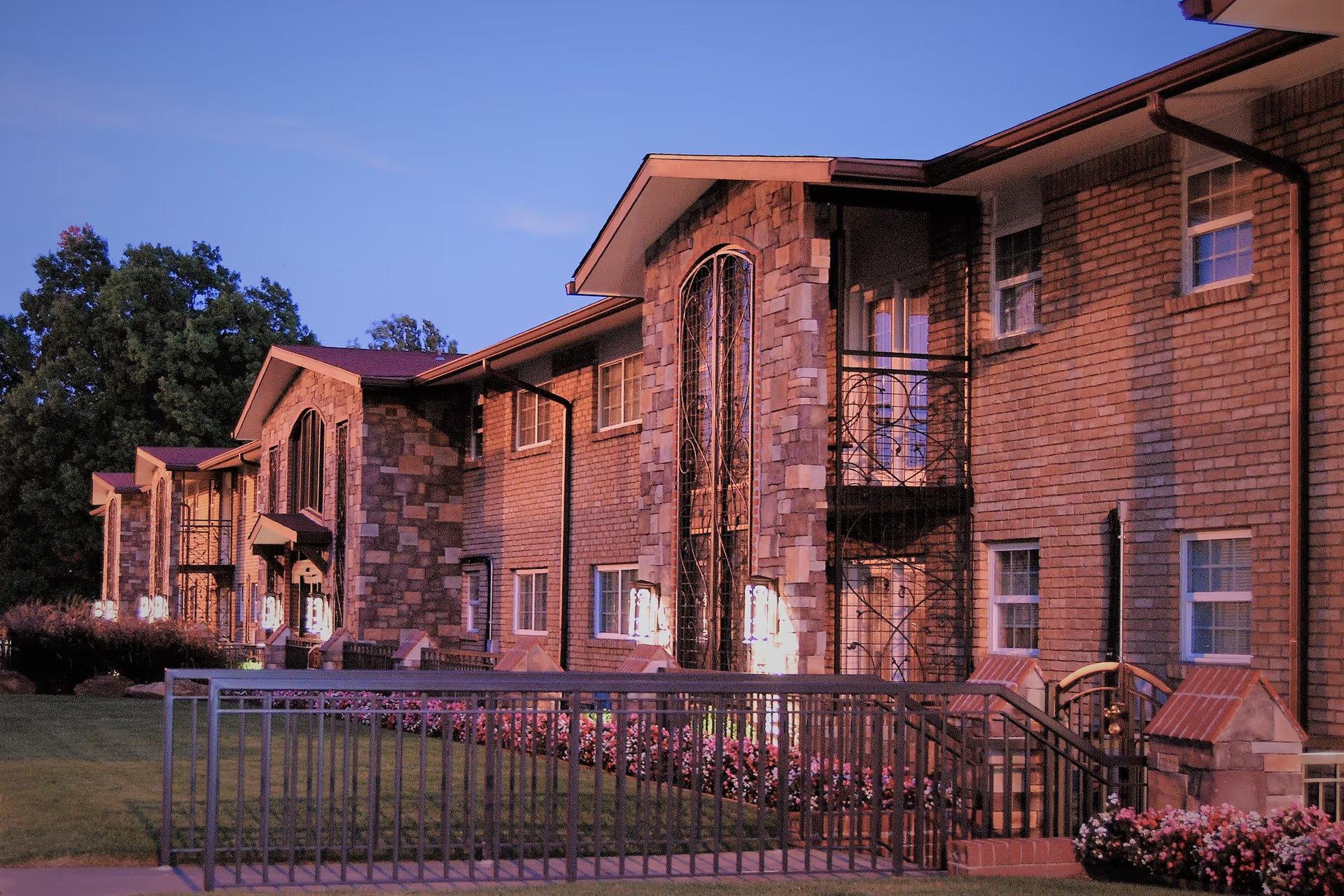
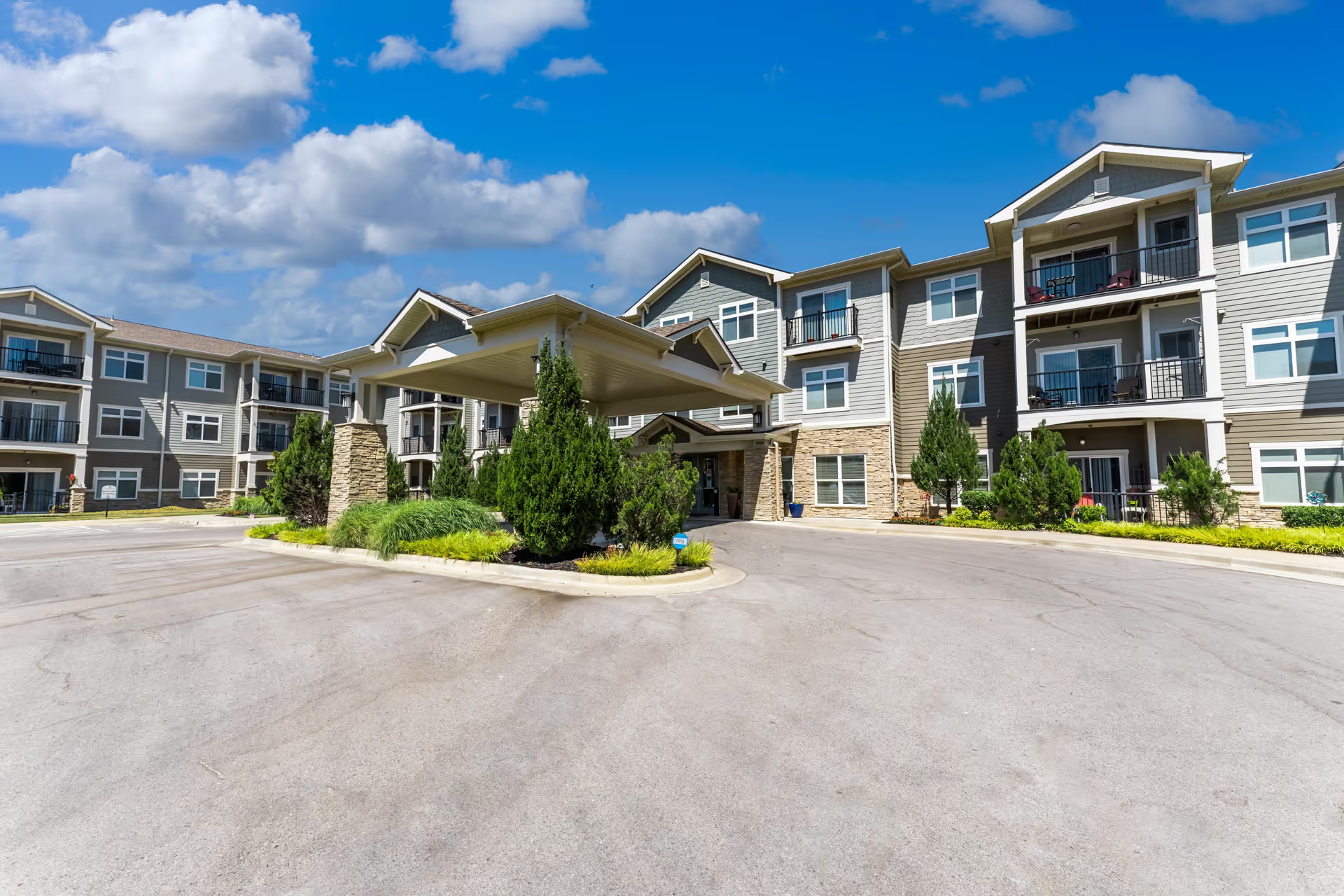
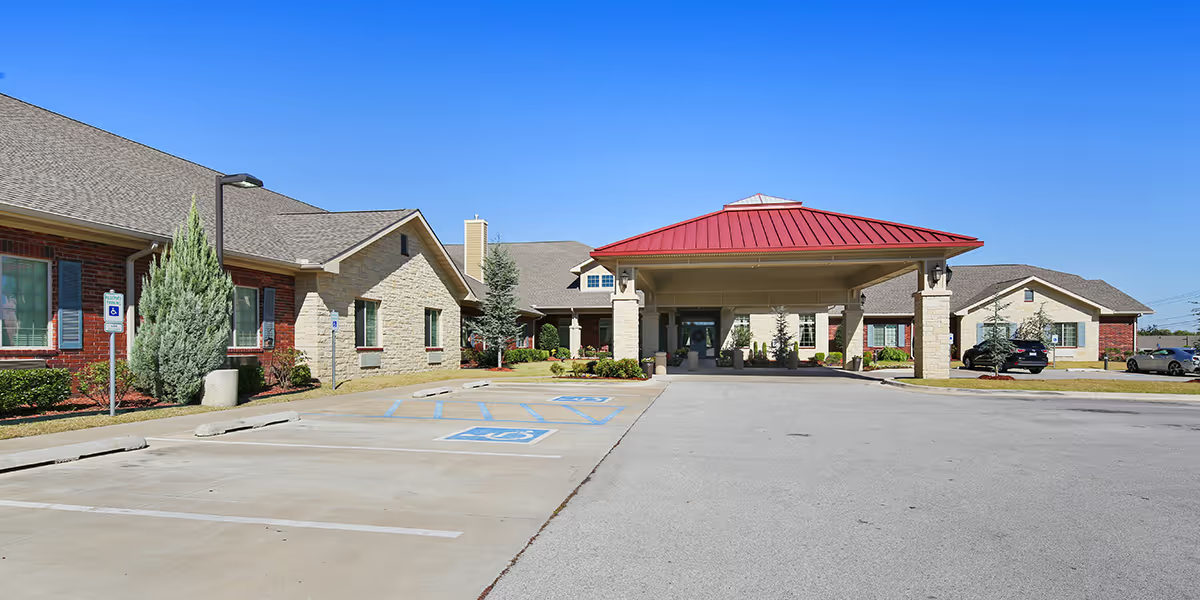
Reviews of the Memory Care Center at Emerald present a markedly mixed picture, with clear strengths in programming and interpersonal supports alongside serious operational and safety concerns. Many families and visitors praise the facility's activity program, social-services team, and the general atmosphere: music and dance events, holiday meals that accommodate families, hospice and spiritual visitation options, and high participation in scheduled activities are recurring positives. Housekeeping and the physical environment are frequently described as attractive and home-like, and several reviewers note certified memory-care staffing and proactive communication practices such as daily updates and regular infection monitoring.
Care quality and front-line staff performance generate both strong endorsements and troubling criticisms. Positive comments highlight caring RNs, CNAs, and social-service staff who are responsive, reassuring, and effective in care transitions. At the same time, multiple reviews indicate operational weaknesses in direct care delivery: delays in personal-care tasks (bathing, toileting assistance, clothing changes), inconsistent engagement with residents, and variability in dementia-specific care practices. There are also serious concerns related to medication handling and personal-belongings security; some reviewers raised allegations of theft and improper medication management. These issues suggest gaps in medication-administration controls and property-security procedures that warrant direct inquiry.
Dining and nutrition are another area of contrast. The facility receives praise for special events (for example, annual holiday meals) and generally pleasant menus, but other reviewers describe a decline in food quality, smaller portions, and reduced protein offerings, which they attribute to budgetary constraints. Prospective families should clarify current menu cycles, portioning standards, and processes for accommodating dietary needs.
Facility maintenance and sanitation receive mixed assessments. Many reviewers find the building well-maintained and clean, while others report localized sanitation and odor concerns and delays in incontinence-related care. Exterior and parking-lot maintenance were specifically mentioned as areas needing attention. These patterns suggest inconsistent implementation of housekeeping and environmental protocols across units or shifts.
Management, staffing, and organizational culture appear to be key drivers of the polarized feedback. Reviewers cite examples of strong cross-department teamwork and effective leadership, yet there are also reports of leadership turnover, staffing instability, burnout, and poor workplace morale. Related themes include gaps in incident transparency, accountability, and family communication—some families describe unsatisfactory responses when raising safety or care concerns, and deficiencies in admissions/transition processes (for example, incomplete packing documentation and inventory practices).
Overall, the Memory Care Center at Emerald demonstrates several operational strengths valued by residents and families—particularly in activities, social services, and certain caregiving relationships—but also exhibits persistent operational and safety-related weaknesses that have led to significant family concerns. Given the polarized nature of experiences, prospective residents and representatives should pursue a focused on-site assessment and ask targeted questions about medication-control procedures, staffing ratios and turnover, sanitation protocols, dementia-care training, incident-reporting and family-notification practices, and current dining standards before making a placement decision.