Overall impression: Stillwater Assisted Living and Skilled Nursing Community is described by many families as a community with strong interpersonal care strengths and a home-like environment. Reviewers consistently highlight compassionate nursing and caregiving staff, hands-on administrators who engage with residents and families, and an activities program that promotes socialization. The facility’s apartment-style units, on-site therapy services, and features such as on-unit laundry contribute to a sense of convenience and value, and Medicaid acceptance and competitive pricing are also noted as financial advantages.
Care and staff: The dominant positive theme is staff commitment. Many accounts emphasize attentive RNs, kind CNAs, and administrators who act on concerns and maintain lines of communication with families. These relationships are credited with providing residents with dignity, safety, and emotional engagement. However, reviewers also identify operational variability: staffing levels appear inconsistent across shifts, performance and responsiveness vary between individual caregivers, and language barriers with some frontline staff can impede communication. A pattern of concerns about medication administration accuracy and broader clinical oversight also emerges; several families described delays or missed care tasks, and a few raised serious clinical concerns that merit direct follow-up with the facility and appropriate oversight bodies.
Dining and therapy: Dining experiences are mixed. Some families praise the meals and dining atmosphere, while others describe inconsistent food quality, slow service, and occasional problems with meal temperature or preparation. A few reviewers compensate through family-provided meal additions. On the therapy side, the facility offers on-site physical therapy and other clinical services, which some residents used effectively; others reported variability in therapy scheduling or availability. Prospective residents should confirm current therapy frequency and meal-service protocols during tours.
Activities and social environment: Activity programming is frequently cited as a strength. Reviewers mention an energetic activities director, regular exercise classes, bingo, karaoke, movie nights, outings, and monthly special events. Many families credit these programs with improving resident mood and social connection. The community’s atmosphere is often described as bright, active, and family-friendly, with opportunities for engagement at multiple care levels.
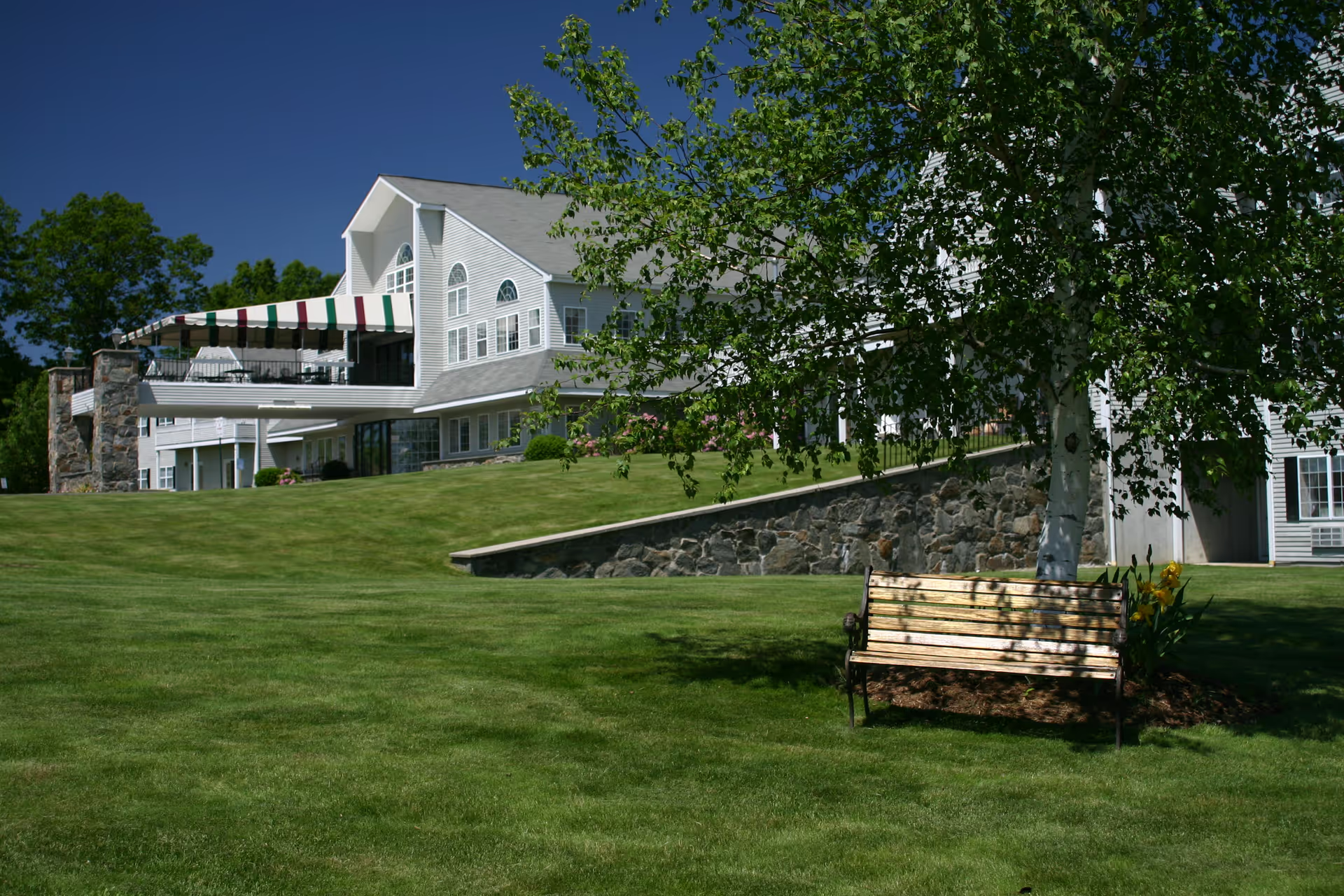
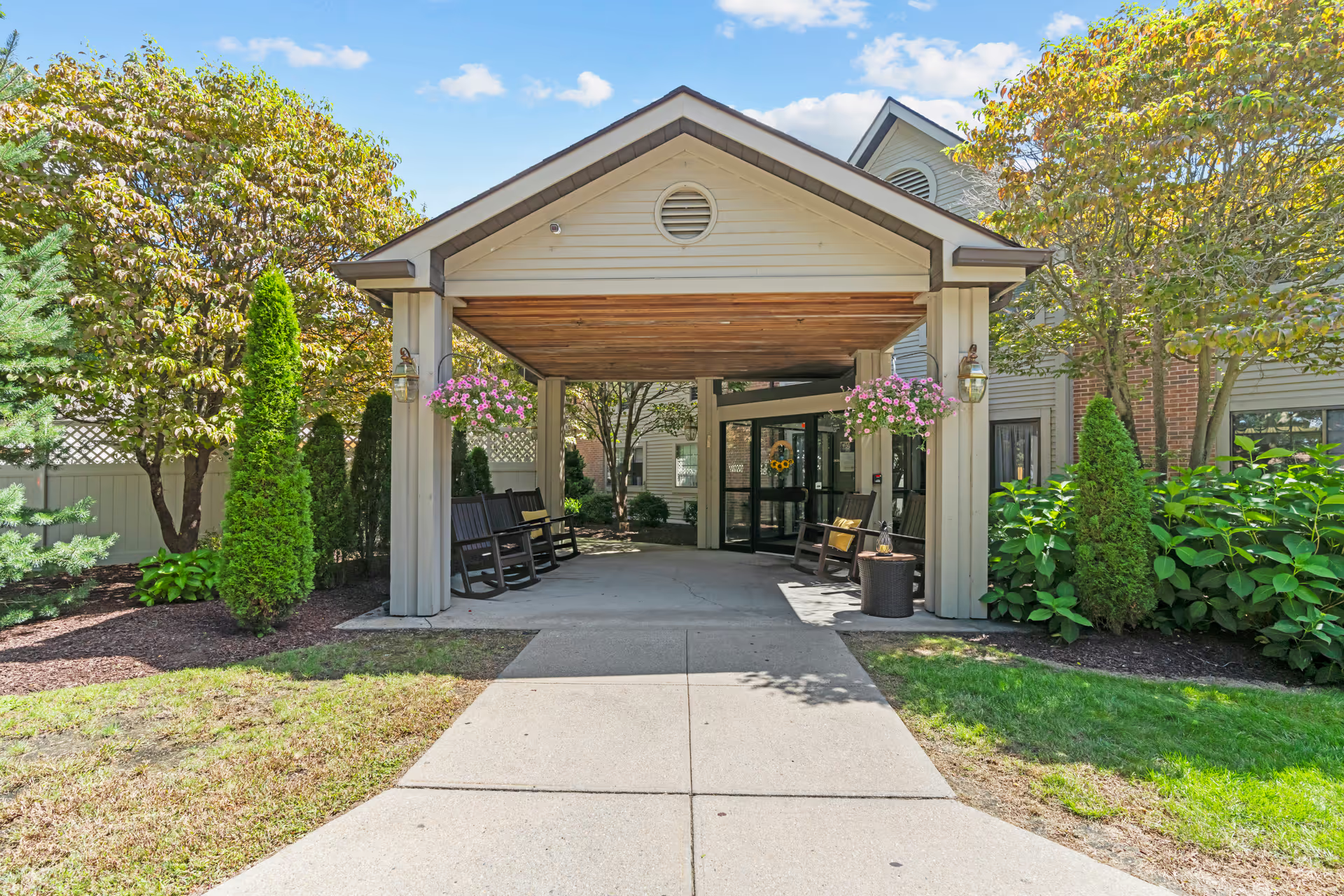
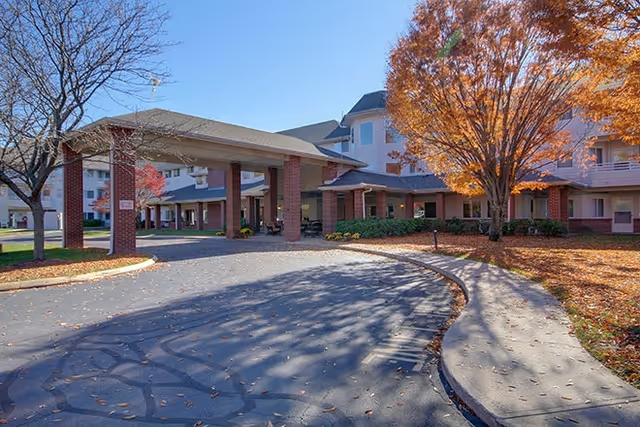
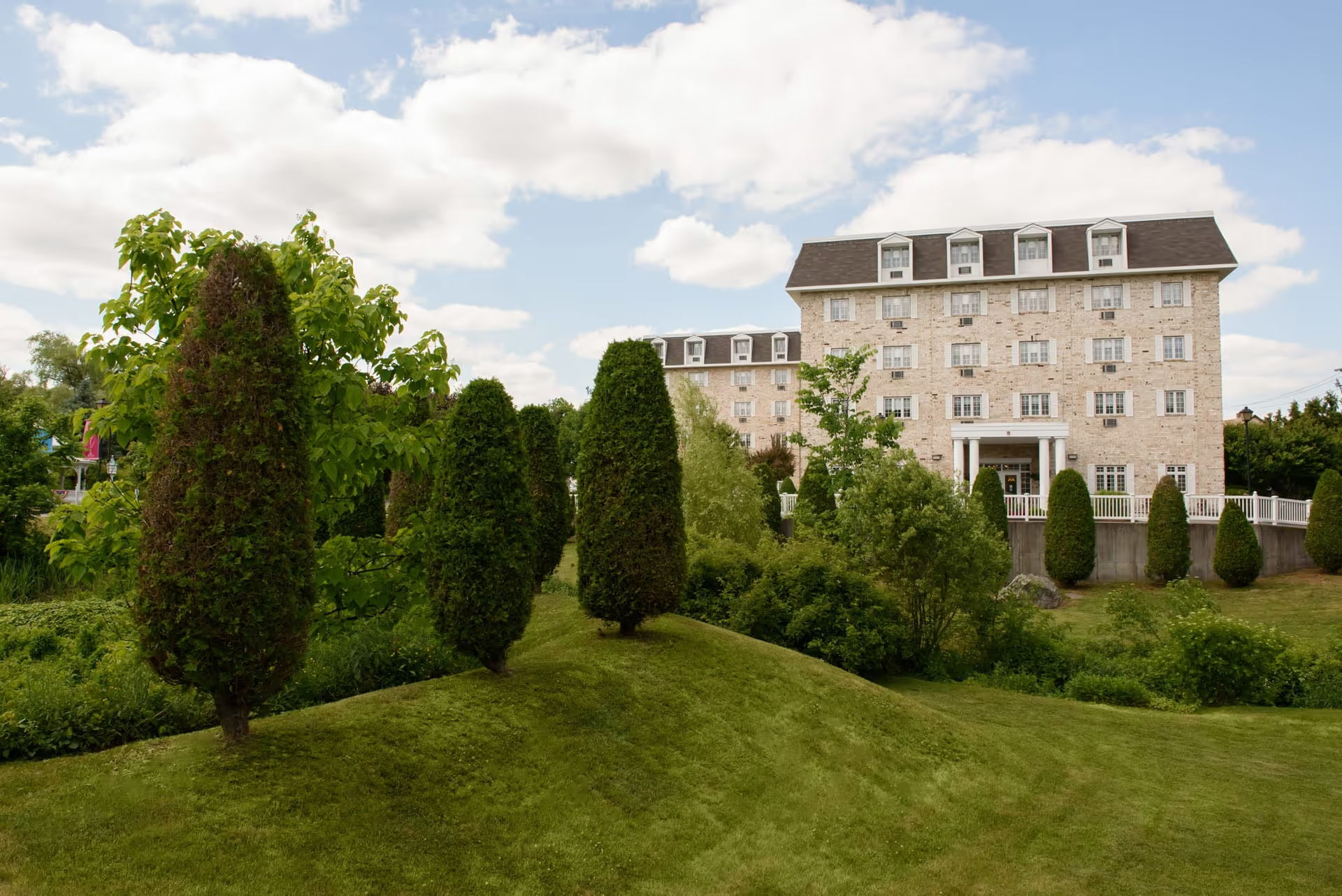
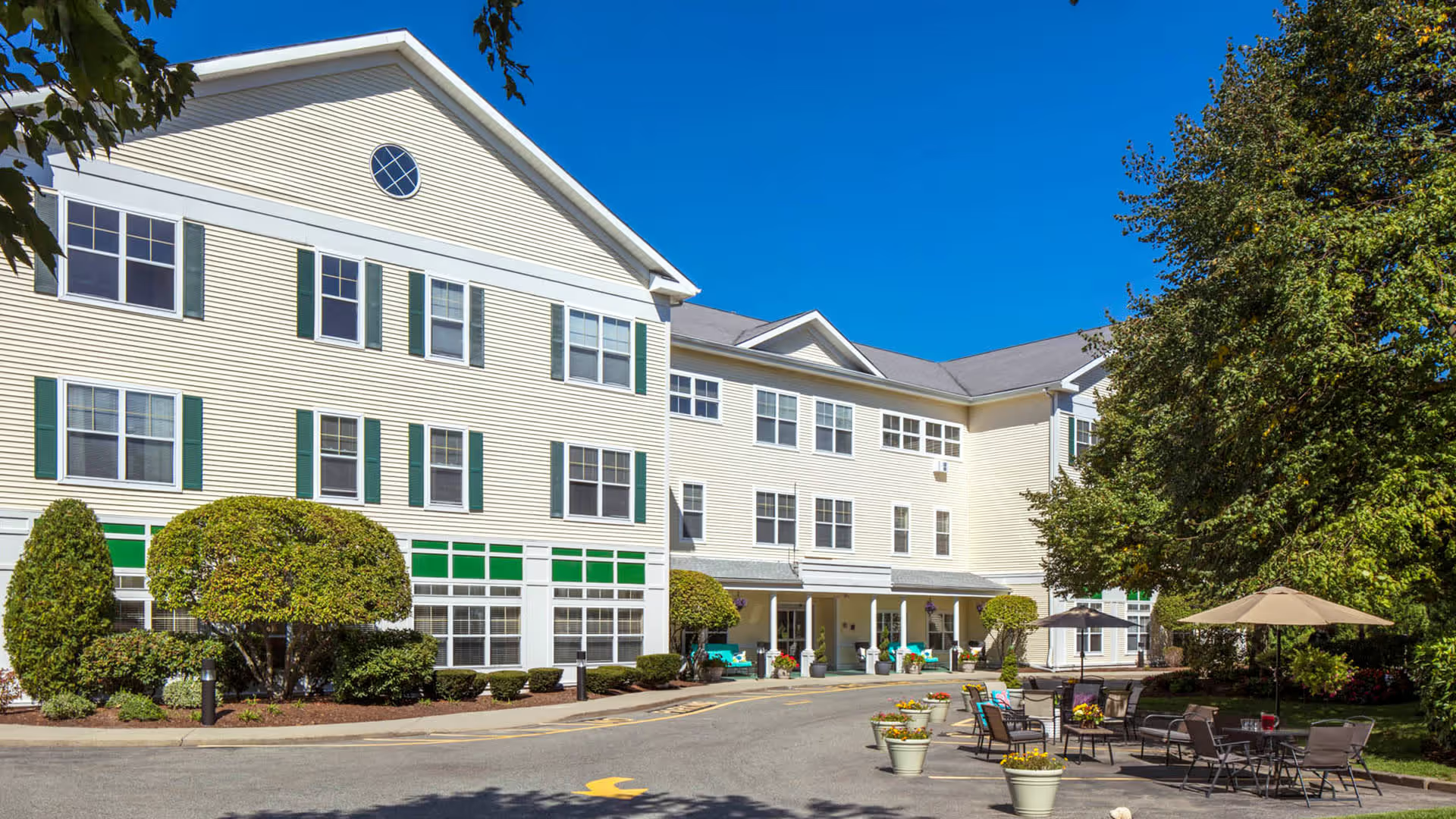
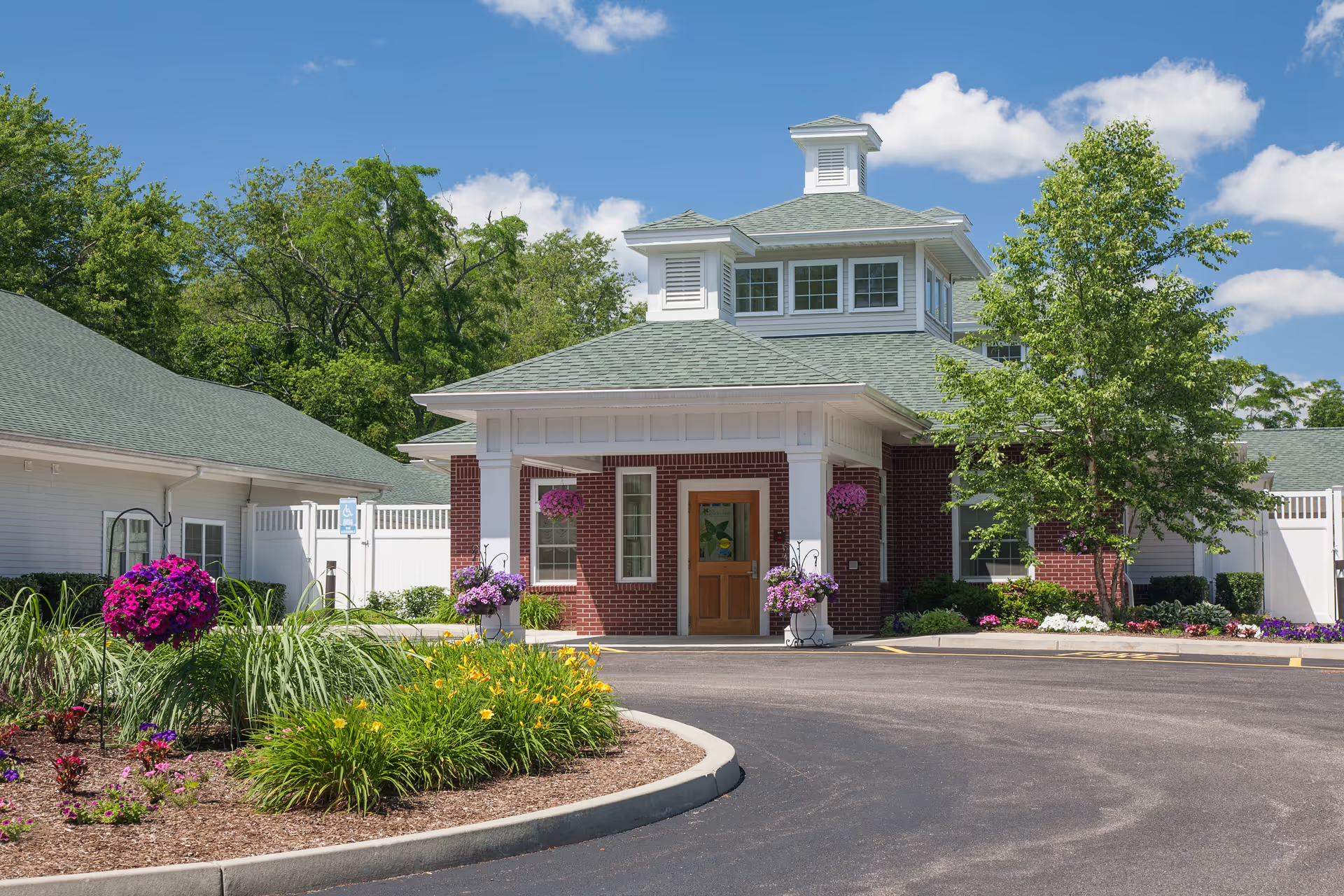
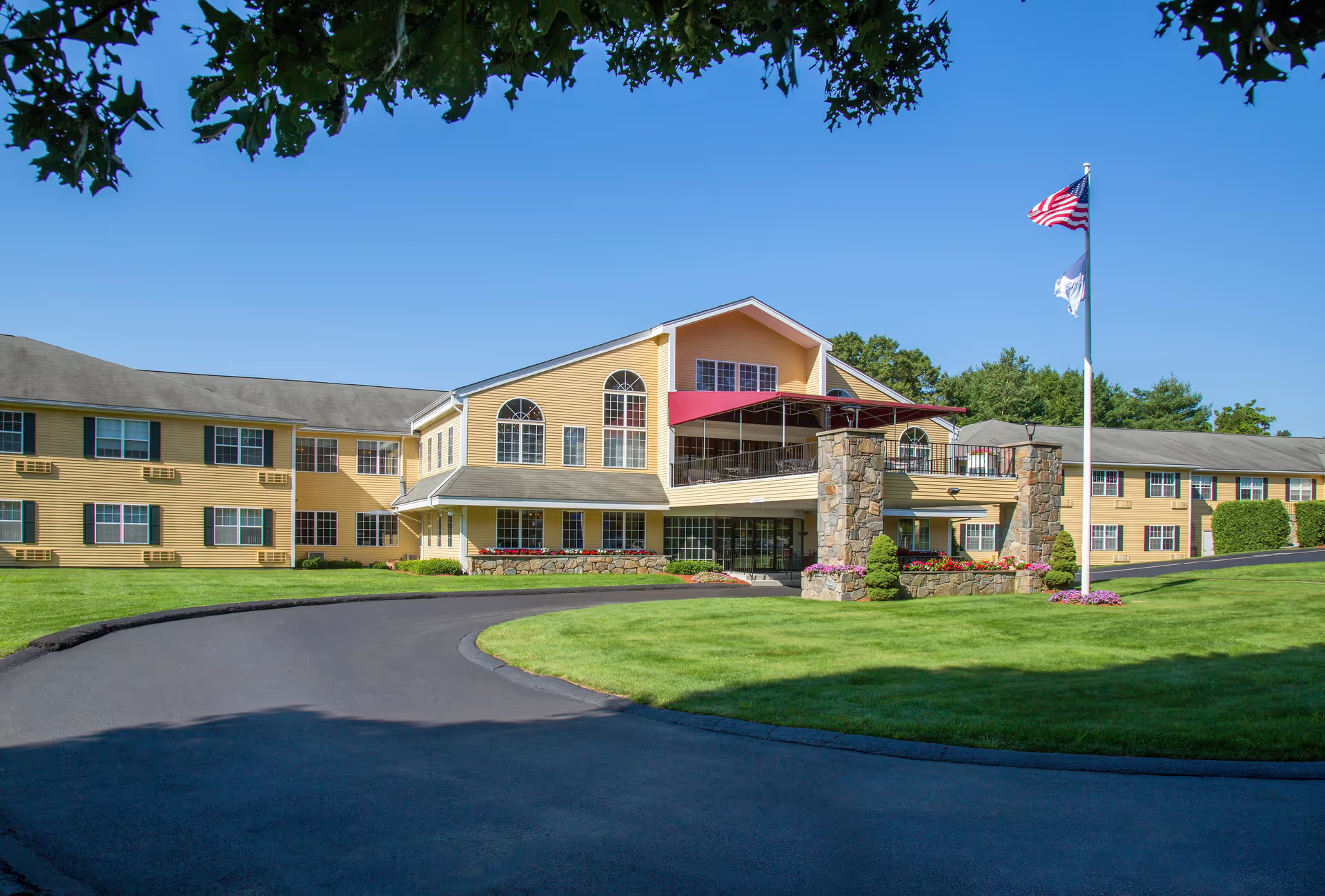
Facilities and operations: The physical plant receives mixed commentary. Many note clean, well-decorated common areas, spacious dining rooms, and pleasant grounds. At the same time, parts of the building are described as older and in need of updates; accessibility and room size can be limiting in some units, and occasional housekeeping lapses or sanitation inconsistencies were reported. Operationally, several families mentioned lapses in housekeeping, lost belongings, or unclear billing/fee communication. There are also notes about single-elevator constraints and unit transfers that can temporarily disrupt routines.
Management and notable patterns: Leadership and administration are frequently praised for responsiveness and individualized attention; some reviewers specifically named directors who improved care and communication. Still, recurring themes include inconsistent staffing, variable adherence to clinical and housekeeping protocols, and communication gaps during critical incidents. A small number of reviewers raised very serious concerns about clinical outcomes and end-of-life care; while these appear to be less common than affirmative accounts, they are significant and suggest that prospective families verify clinical oversight, incident response protocols, and regulatory history as part of their decision process.
Recommendation guidance: For families prioritizing warm staff relationships, active programming, apartment-style living, and affordability, Stillwater may be a strong fit. For those whose priorities are consistent clinical reliability, robust dementia-specific training, and uniformly high standards across every shift, it is advisable to inquire specifically about staffing ratios, medication-administration controls, memory-care training, recent quality audits, and current housekeeping and meal-service procedures during a visit. Direct questions about language capability on shifts, therapy schedules, incident-response processes, and billing transparency will help assess whether the facility’s operational patterns align with a given resident’s needs.