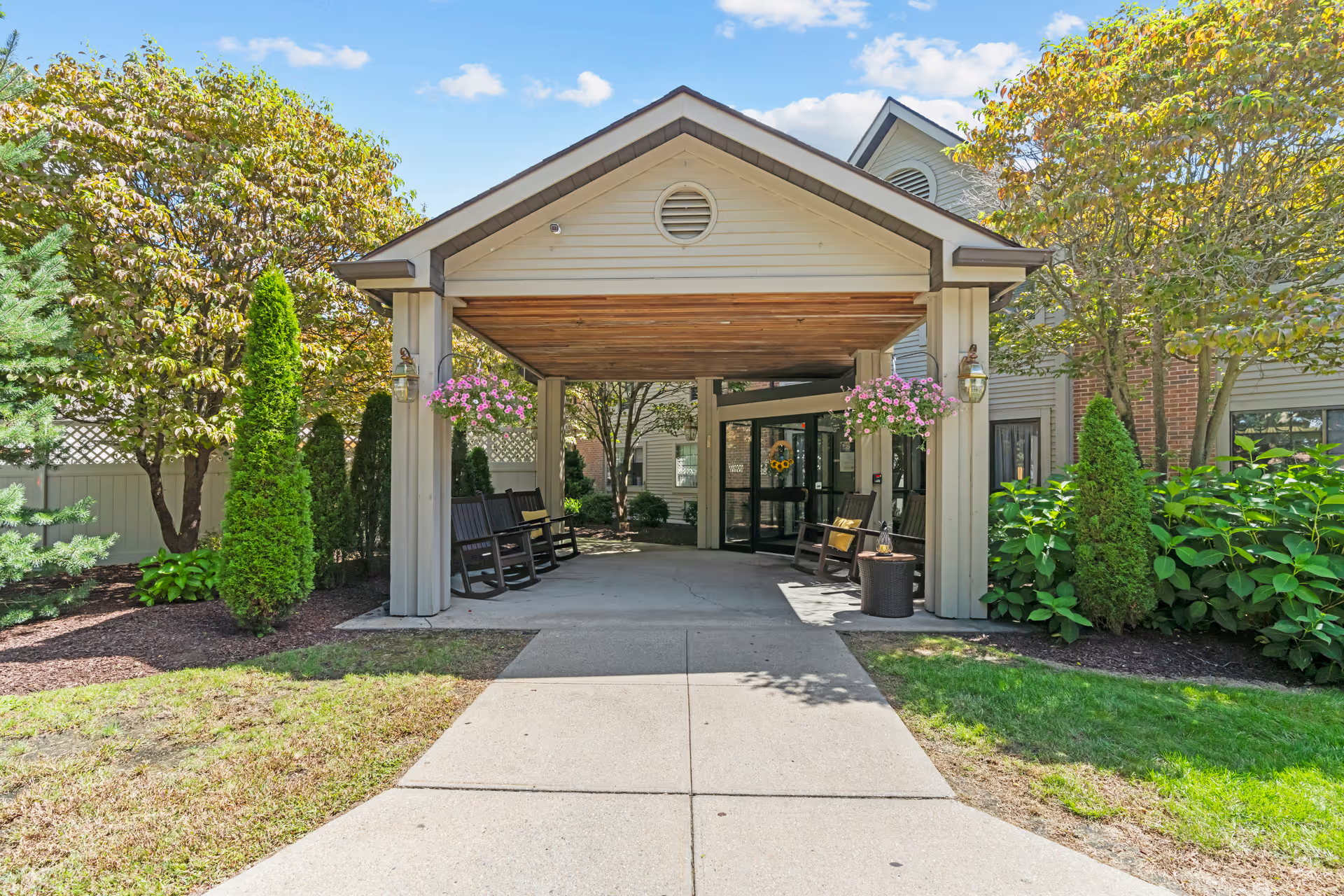
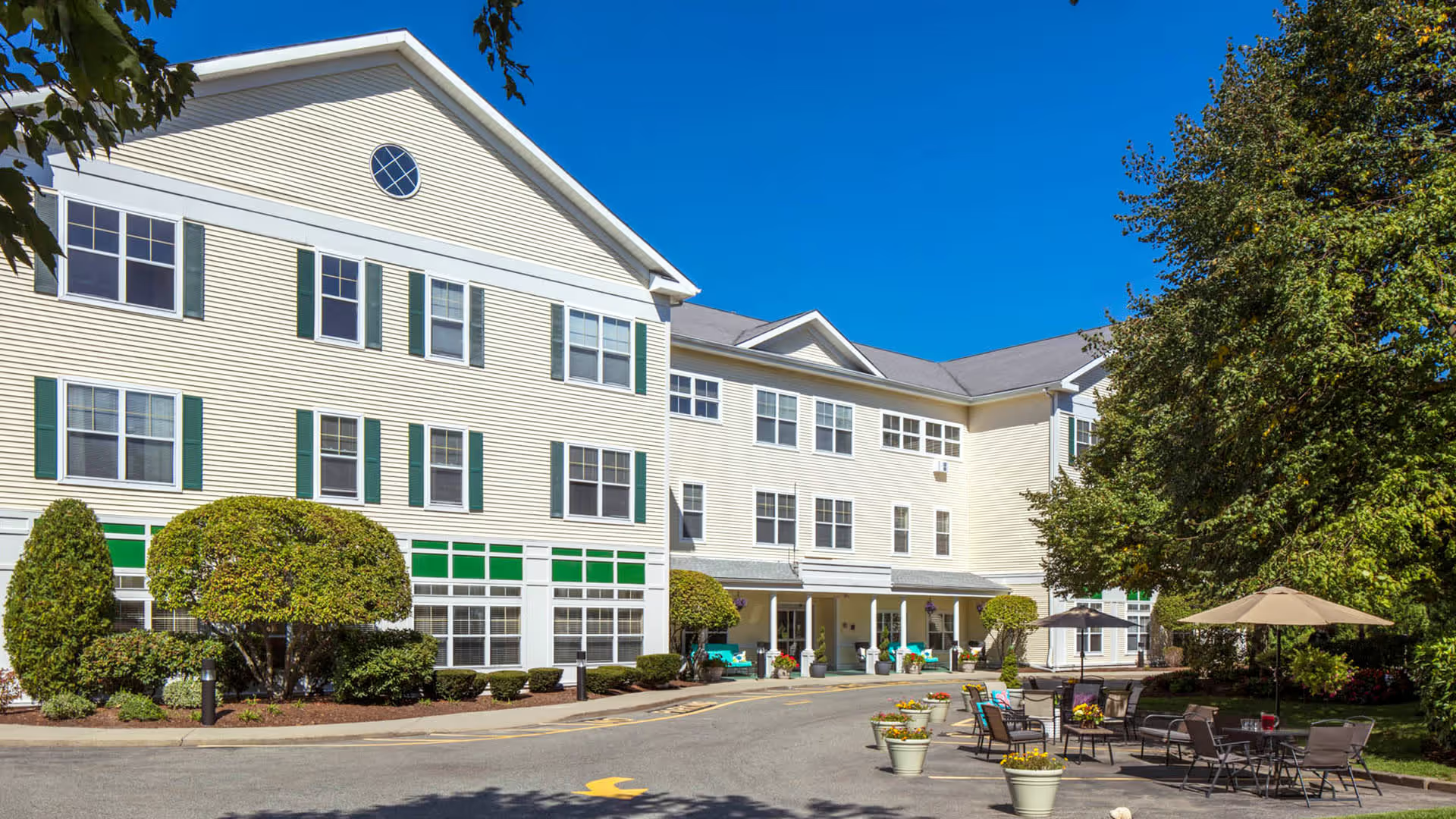
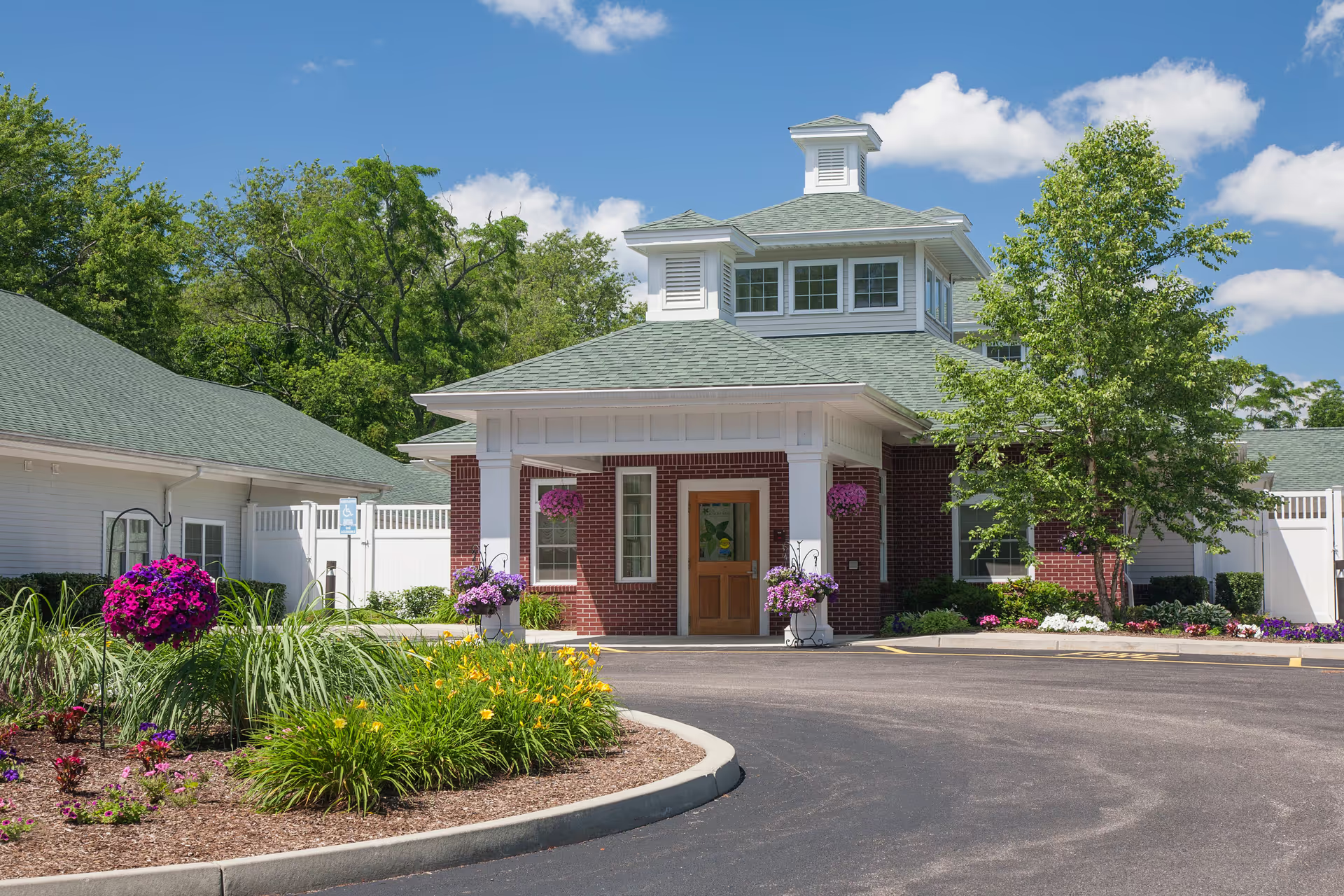
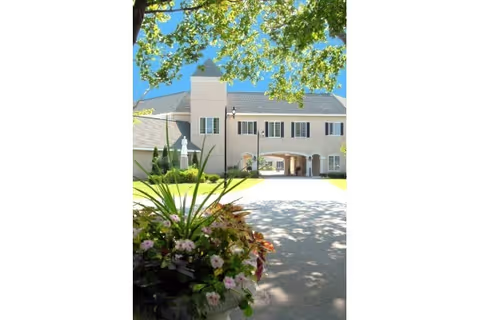
The reviews present a mixed and polarized picture of Hebert Health & Rehabilitation Center. Many families describe strong clinical strengths — notably a high-quality therapy team, compassionate nursing assistants and nurses, focused wound care and restorative therapy, and an engaging activities program. The facility’s smaller size and woodsy setting, along with responsive maintenance and an accessible salon, contribute to a home-like environment that some residents and relatives consistently praise.
However, recurring operational concerns are evident across reviews. Clinical-care consistency is an important pattern: reviewers describe problems with medication administration and allergy management, missed repositioning and bathing, and delays in responding to falls and acute changes. These clinical-process gaps are described alongside reports of infection-control and cleaning-process shortcomings in select areas, which families associate with increased risk to vulnerable residents. Several reviewers also identified prolonged or delayed therapy coordination and discharge planning that affected recovery timelines.
Staffing and culture issues are a central theme. While individuals and teams (therapists, some nurses and CNAs, social work, and select administrators) receive strong praise for their professionalism and compassion, many reviews describe chronic understaffing, frequent management turnover, and variable staff conduct. Families report delayed communication from leadership, voicemail callbacks not returned, and inconsistent transparency around care decisions. Management and billing transparency is another repeated concern, including questions about financial handling and unresolved invoice disputes; there are also isolated allegations regarding lost items and financial mishandling that families found serious.
Dining, activities, and amenities show both strengths and inconsistencies. The facility offers varied menus, a dining-room atmosphere that some residents enjoy, and regular entertainment and outings; activities staff receive positive comments. At the same time, meal-service continuity and diet-texture accommodation (pureed/nectar-thickened diets) are described as inconsistent by some families, and there are accounts of meal trays arriving cold. Laundry and personal-belongings controls are another operational weakness: several families report items going missing or being mixed in laundry, which undermines confidence in daily-operations processes.
Communication, privacy, and family access are additional areas of concern. Reviewers cite limited in-unit telephone access, difficulty using cell phones, and instances they considered privacy/HIPAA breaches. Visitation and hospice coordination are described as inflexible by some families, including situations where families felt hospice involvement was remote rather than in-person. There are also mentions of regulatory complaints by relatives to oversight agencies.
For prospective residents and families: the facility demonstrates clear strengths in therapy, individualized caregiving by certain staff, and a comfortable, small-campus environment. At the same time, there are persistent operational issues around staffing levels, medication and clinical-process consistency, communication, cleanliness controls, personal-belongings handling, and administrative transparency. When evaluating this facility, visitors should verify current staffing ratios, review medication and incident-response protocols, ask about infection-control and laundry tagging procedures, confirm visitation and hospice policies, and seek recent inspection or survey results to understand whether previously raised concerns have been addressed.