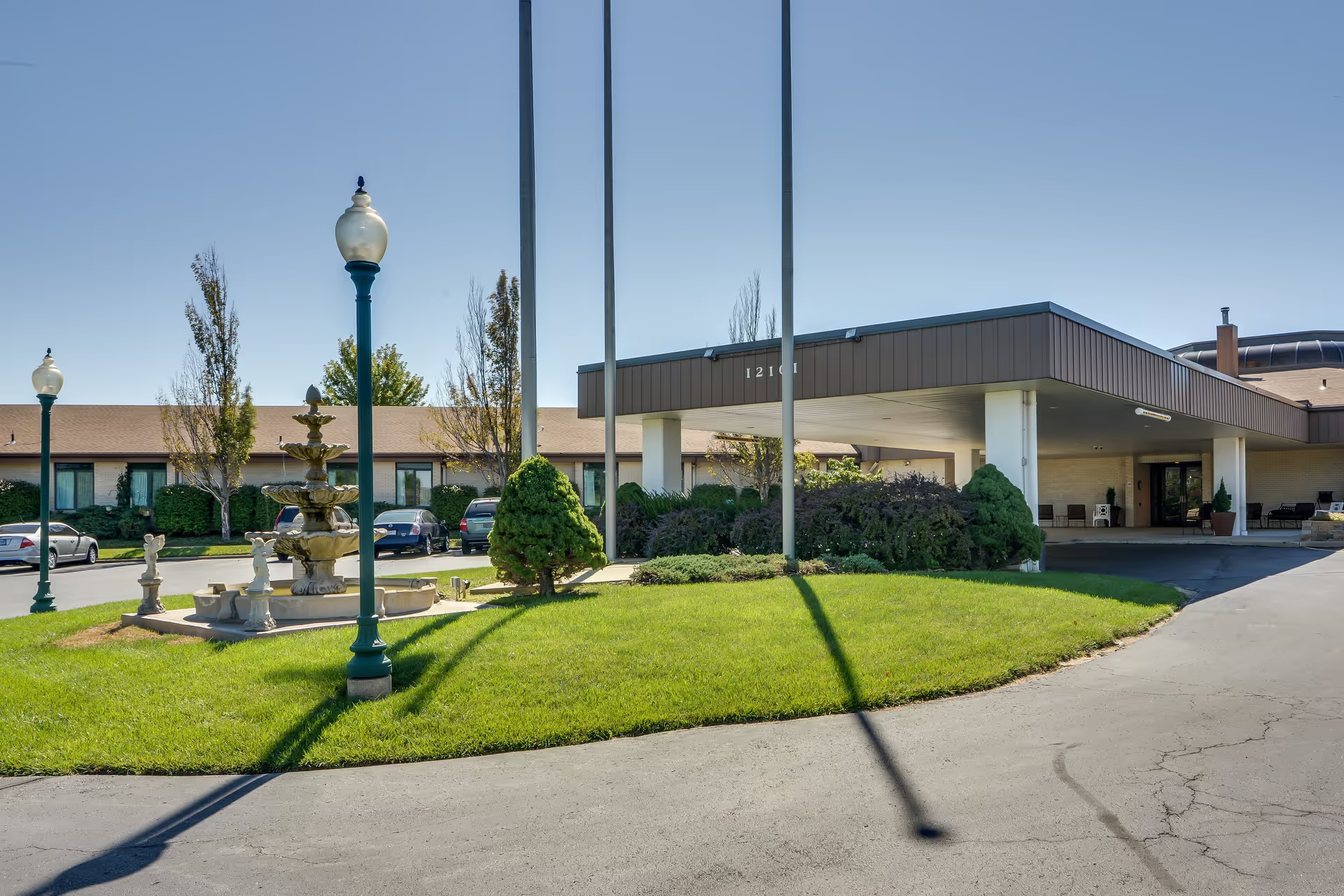
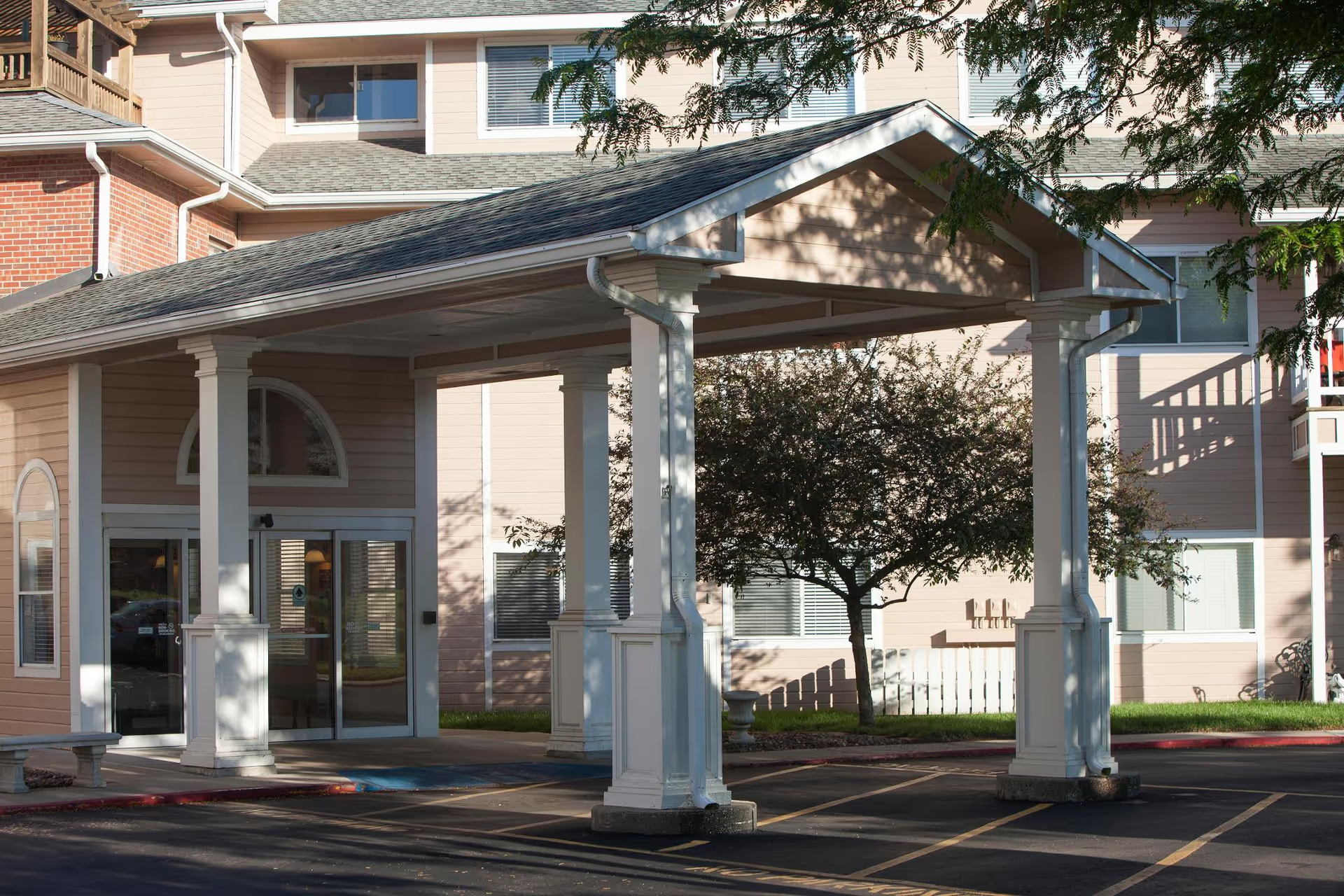
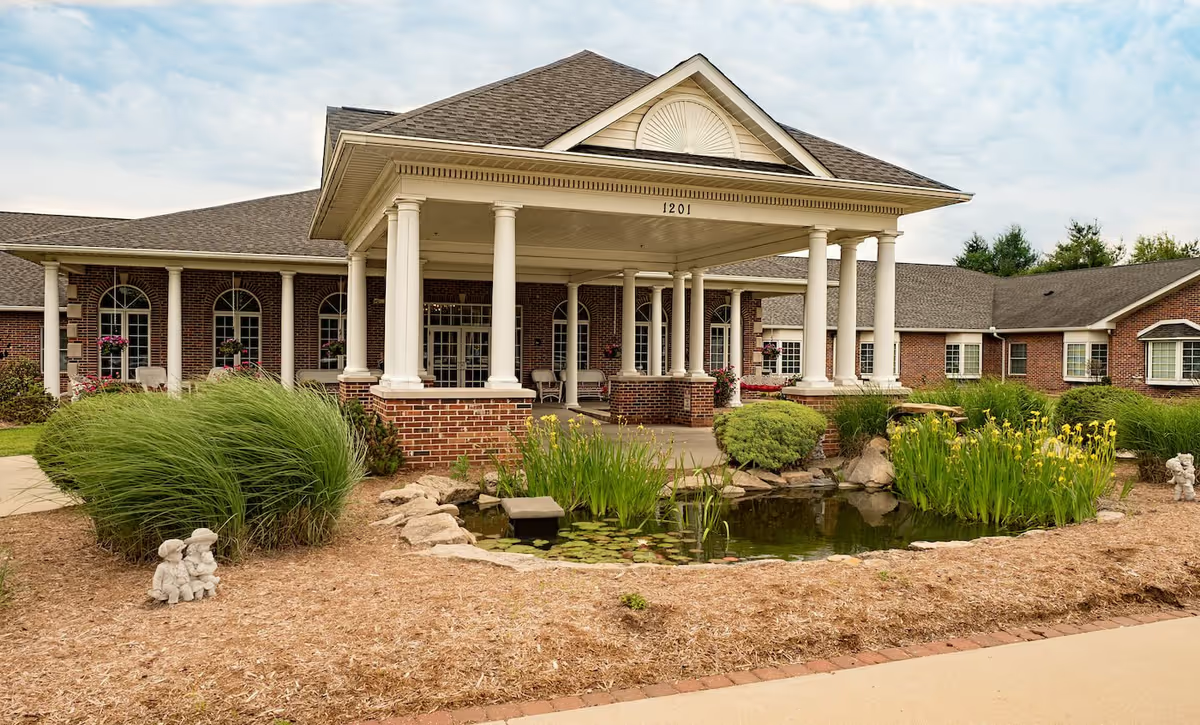
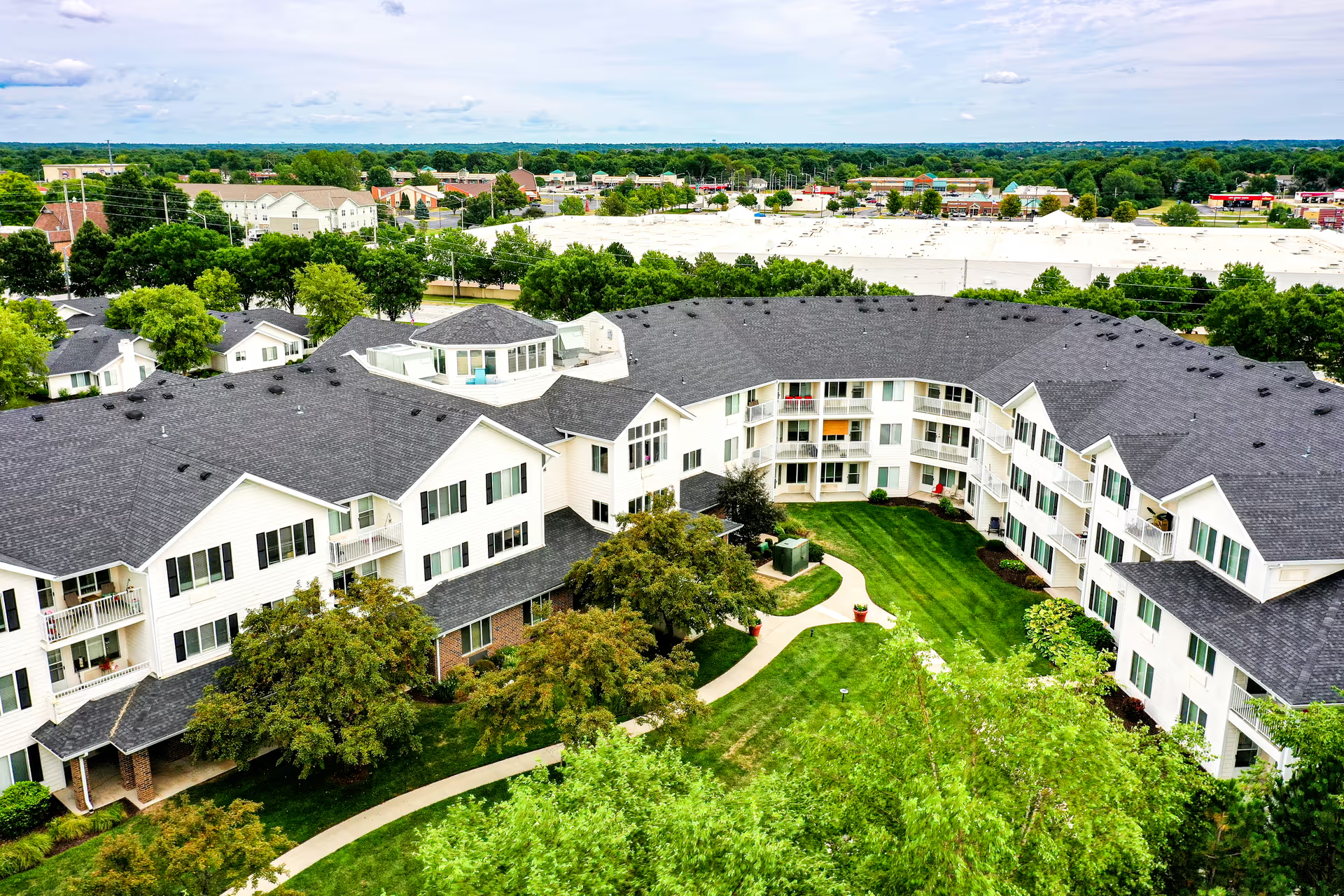
Trustwell Living of Raytown elicits strongly mixed impressions. Many families and residents praise the facility’s apartment-style accommodations, accessible layouts, and home-like dining format. Reviewers frequently note compassionate, attentive caregivers and an activities program that includes crafts, music visits, birthday/holiday events, and periodic outings. Several staff members and front-line teams receive specific commendation for professionalism and going beyond routine duties, and onsite therapy and rehabilitation services are available to residents. The community is often described as smaller and family-like, with move-in support and individualized attention cited as strengths.
At the same time, a consistent pattern of operational concerns appears across reviews. Staffing instability and turnover, together with periodic reliance on agency personnel, contribute to inconsistent care delivery and variable staff training. These staffing gaps are linked to delays in medication administration, inconsistent bathing/personal-care schedules, and delays in clinical follow-up such as diagnostic testing or UTI evaluation. There are also serious operational allegations from some families — including claims of missing money and medication mishandling — which raise concerns about internal controls; these are characterized here as allegations of theft and medication diversion that warrant direct inquiry during any tour or review of records.
Dining and housekeeping receive polarized feedback. Numerous reviewers appreciate home-cooked meals served in a formal dining room with menu choices and hot food, while others describe inconsistent food quality, occasional unacceptable items, and limited diabetic/therapeutic menu options. Housekeeping and maintenance are described as responsive in many accounts, but sanitation and pest-control concerns are mentioned for some areas and have led to dissatisfaction among families. Prospective residents should ask about current pest-control contracts, cleaning schedules, and recent inspection results.
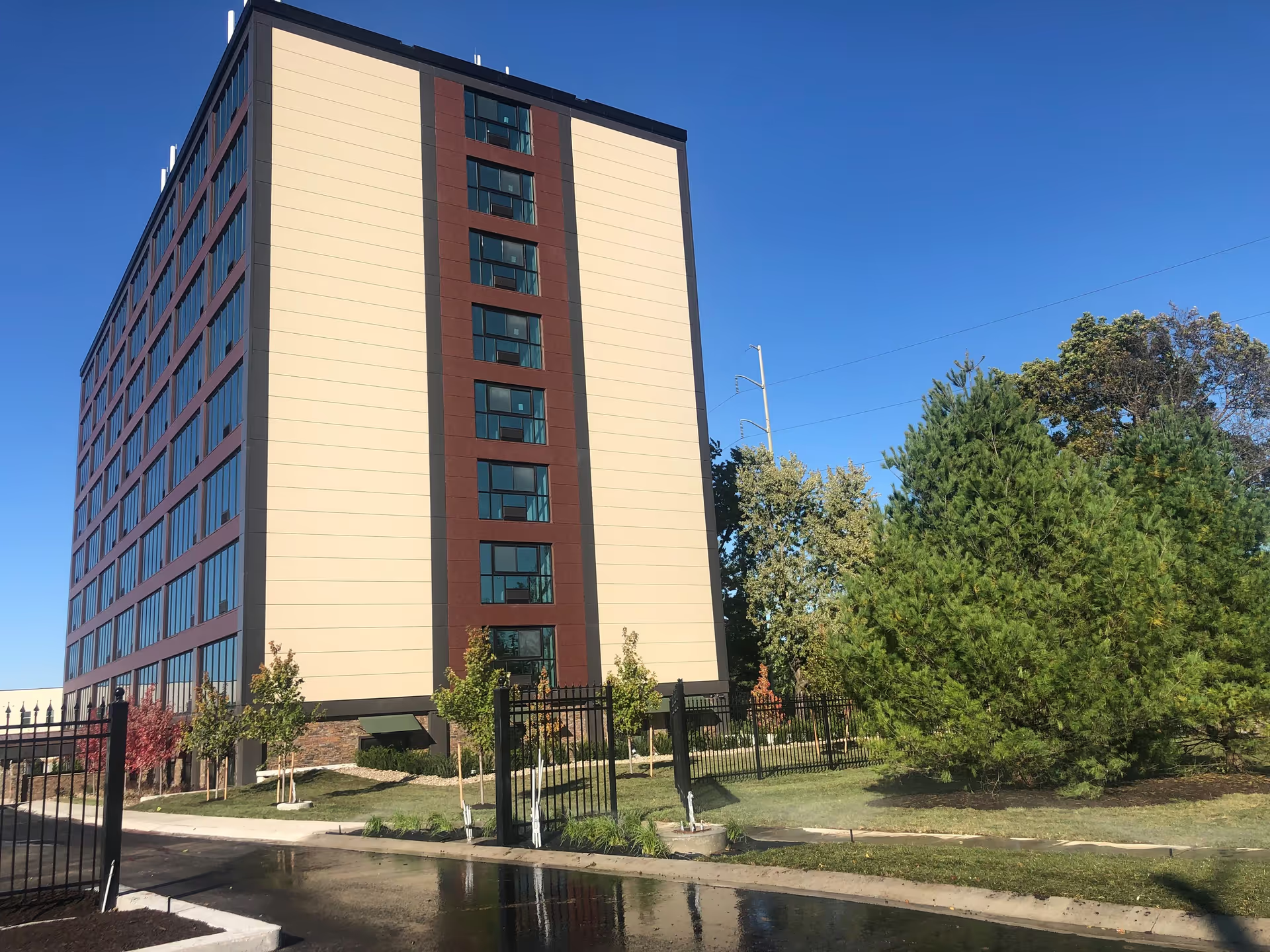
Management and communication are described as both a strength and a weakness depending on the reviewer. Several families commend directors and managers for clear explanations, helpful move-in coordination, and ongoing availability; simultaneously, other families describe communication breakdowns, unclear or opaque additional charges (for services such as TV, pendant, or move-out notice fees), and unresolved complaints escalated to corporate or state. Safety and design concerns emerge in relation to mixed memory-care and assisted-living populations within a multi-story building — specifically the lack of distinct separation or restricted access for residents with memory impairment.
In summary, Trustwell Living of Raytown offers many attributes attractive to prospective residents — apartment-style living, an active social program, and committed caregivers — but the facility shows variability in operational consistency. Before deciding, families should perform an on-site visit, request recent state inspection reports and corrective-action records, ask for staffing ratios and turnover statistics, review medication-management policies and audit logs, confirm pest-control and housekeeping schedules, and clarify all fees and transportation options. These targeted inquiries will help determine whether the facility’s praised strengths align with a prospective resident’s care and safety needs.